
Equipment and service for grid companies
GIS 110–550 kV, dead-tank and live-tank SF6 circuit breakers, an assembly facility for up to 350 breakers a year. Service for 110–750 kV high-voltage equipment: inspections, diagnostics on request or after 12 years, major repair on request or after 25 years of operation, emergency stock. A test laboratory rated up to 750 kV. Reference: installation and commissioning of the GIS at the 220 kV TsRP substation in Krasnoyarsk (Rosseti — Siberia Trunk Grids).
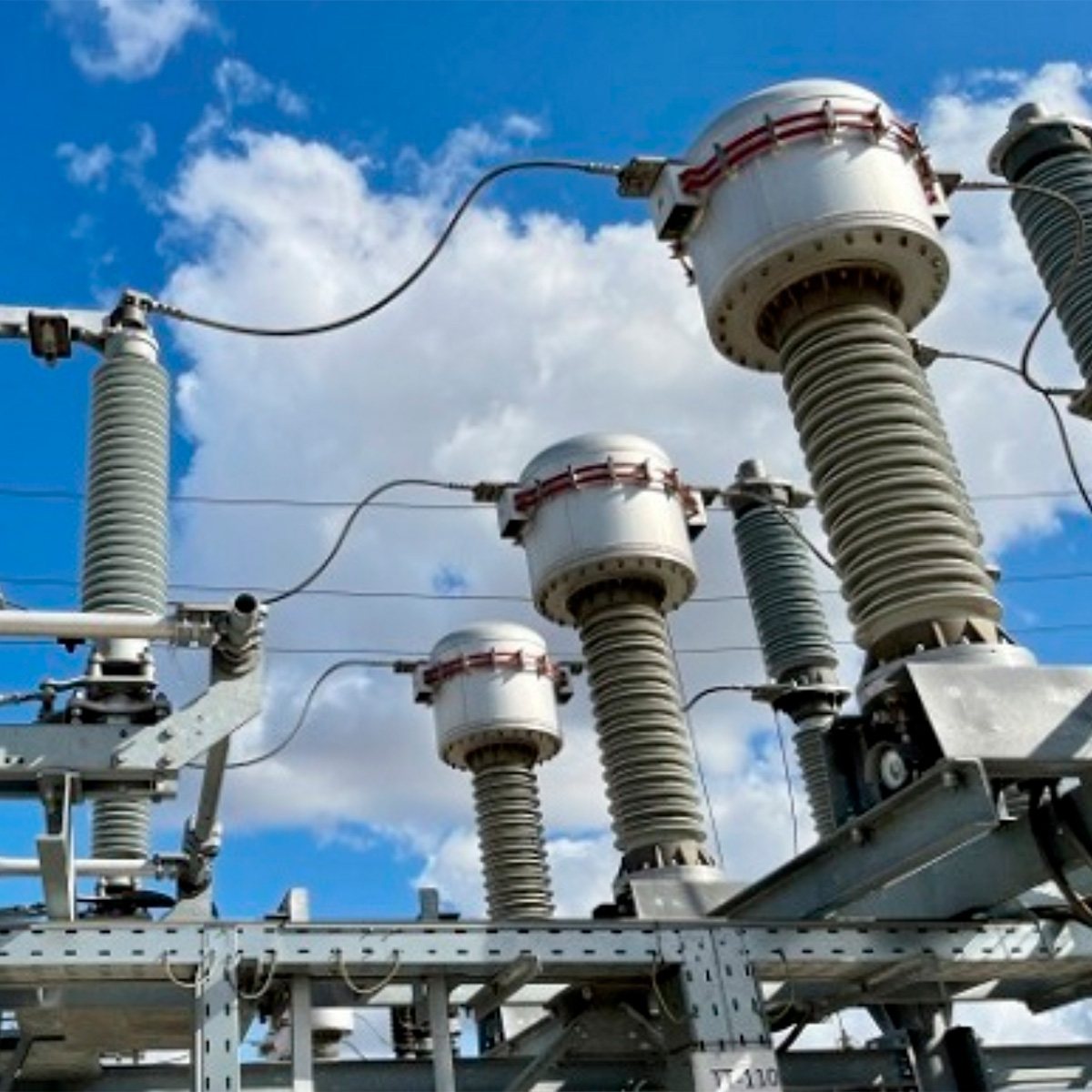
Industry task → our equipment and services
| Industry task | Equipment | Services |
|---|---|---|
| A compact substation in a city or at an industrial site | GIS 110–550 kV | On-site GIS testing |
| Switching in an outdoor switchyard | Dead-tank and live-tank SF6 circuit breakers | Service for 110–750 kV high-voltage equipment |
| Supply and commissioning | Assembly facility for up to 350 breakers a year | Installation supervision of new equipment |
| Insulation condition | Test laboratory up to 750 kV | Partial discharge measurement |
| Scheduled maintenance by age | Diagnostics on request or after 12 years, major repair on request or after 25 years | Emergency stock |
How we meet the needs of a grid company
A compact substation. GIS itself takes up 25–30 times less space than air-insulated switchgear (AIS) of the same voltage class; the substation as a whole shrinks less, because the space for transformers and access roads remains. GIS withstands environmental conditions. It is chosen for substations in cities and at industrial sites and, where space is short, to extend or rebuild an air-insulated switchyard, including without interrupting its operation. The service life of the GIS in the catalogue is more than 50 years; for 110 kV networks there is 110 kV GIS.
Switching in an outdoor switchyard. The dead-tank and live-tank SF6 circuit breakers in the catalogue are rated for a maximum operating voltage of 72.5–550 kV, rated currents of 2,500–5,000 A and breaking currents of 31.5–63 kA, including 110 kV circuit breakers. They come in three-pole and single-pole versions with a motor-charged spring operating mechanism and operate at temperatures from −60 to +55 °C. Dead-tank breakers use a mixture of SF6 and tetrafluoromethane (CF4), with pure SF6 on request: unlike pure SF6, the mixture does not liquefy in severe frost.
Supply and commissioning. Installation supervision of new equipment is provided under a separate contract, including together with supply; acceptance tests before energisation can be carried out by the company’s high-voltage test laboratory. Training for the customer’s staff is delivered as courses to an agreed programme, also under a separate contract.
Insulation condition. The test laboratory is registered with Rostechnadzor (certificate No. 9834 of 20 December 2024) and is entitled to perform acceptance tests and measurements of electrical equipment up to 750 kV. GIS is tested with high voltage from mobile resonant test systems with partial discharge measurement, which reveals defects inside the enclosure before energisation: free moving particles, protrusions and floating-potential components. For circuit breakers the laboratory checks timing characteristics, and for secondary circuits up to 1 kV it measures insulation resistance.
A service contract. The contract begins with a preliminary inspection: the condition of the equipment is assessed and the equipment is entered in a single database. A diagnostic survey is carried out before maintenance. Maintenance follows the scope of the operating manual, without pumping out the SF6 or opening the breaker; major repair is done at the works, with the SF6 pumped out and the breaker dismantled. An emergency stock is created and replenished for the term of the contract, advice is provided in abnormal situations, and equipment upgrades are available at the customer’s request.
Projects
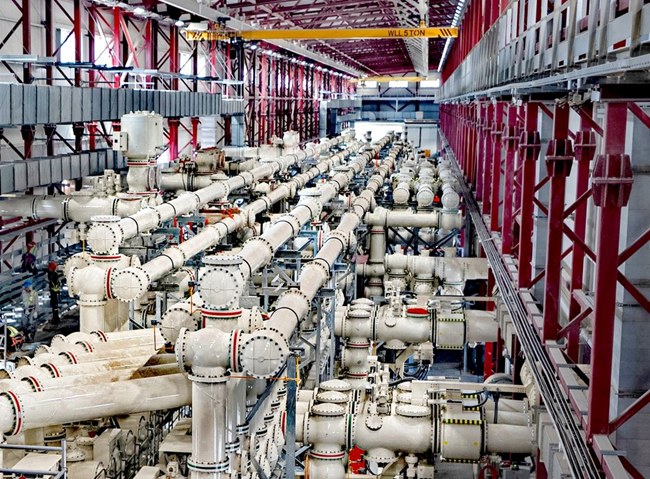
Akkuyu NPP: high-voltage testing of 400 kV GIS and SF6 bus ducts
400 kV GIS · 400 kV SF6 bus ducts
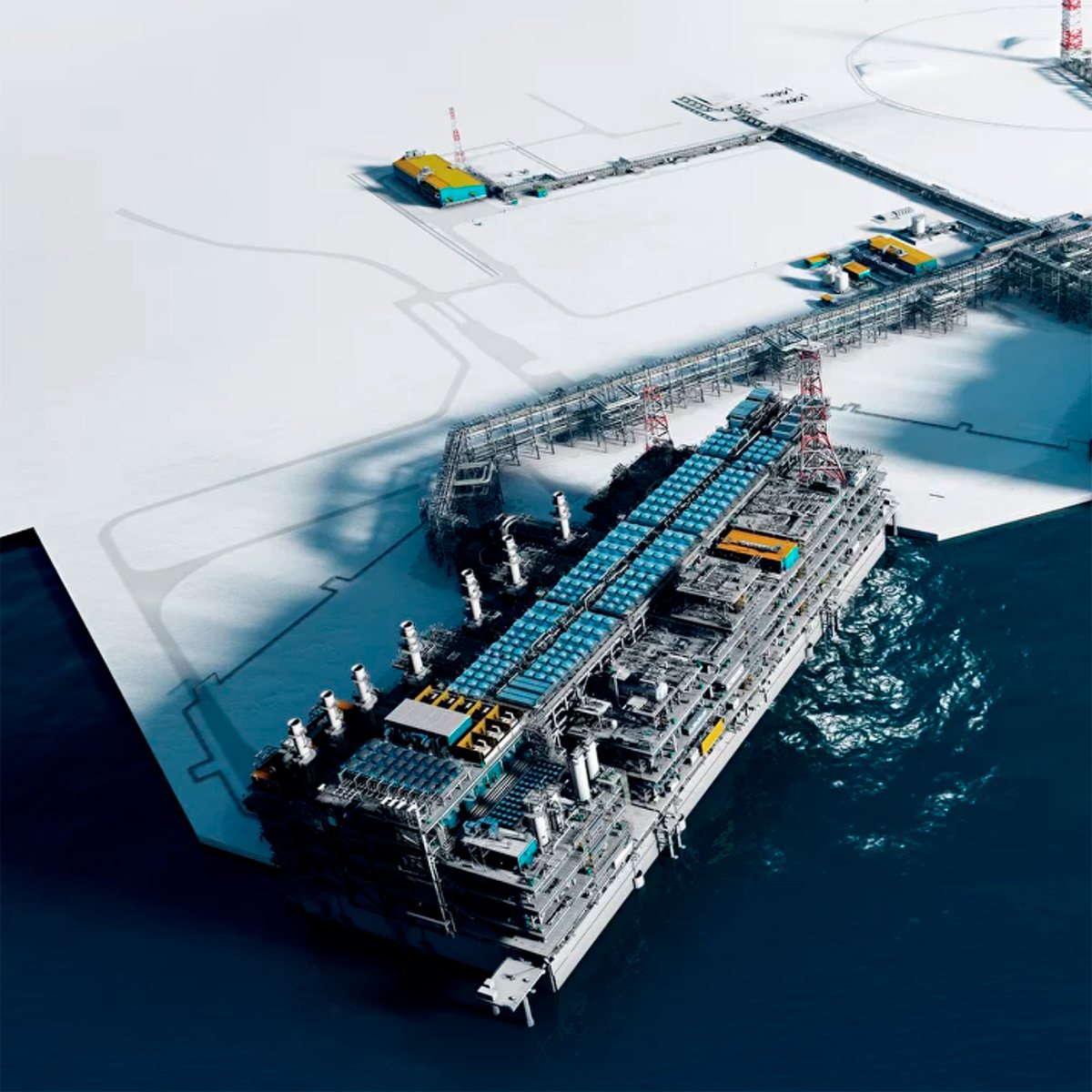
Arctic LNG 2: installation and commissioning of feed gas and boil-off gas compressors
feed gas compressors · boil-off gas compressors
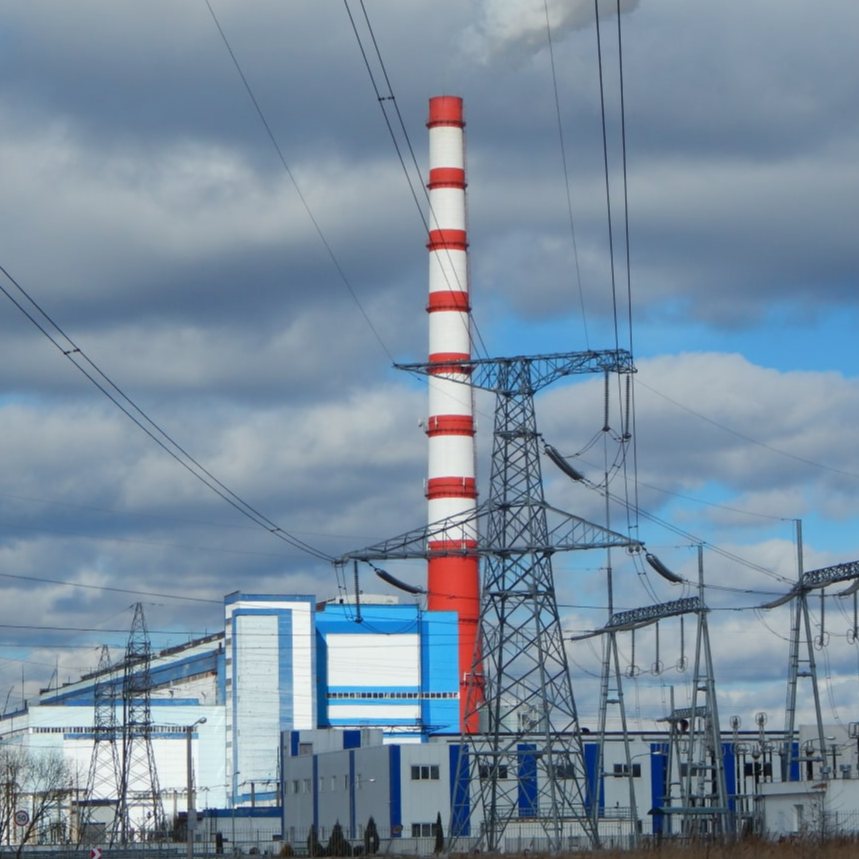
Belenergo: installation and commissioning supervision of 11 SGT-800 gas turbine units
11 × SGT-800 · full load in 15 minutes
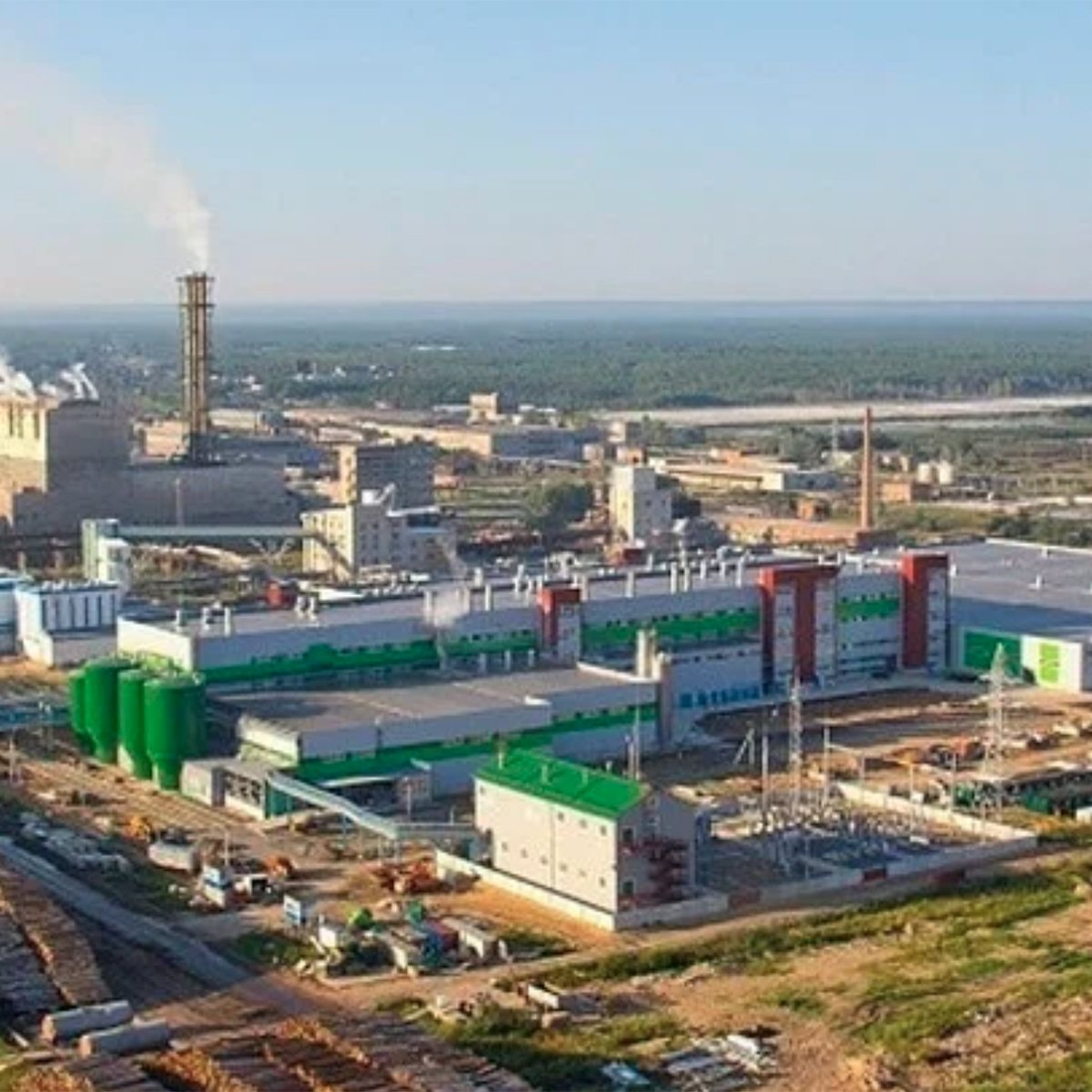
Ilim: board machine control system in Ust-Ilimsk
board machine of 600,000 tonnes a year · 2023

Knauf Petroboard: CHP steam boiler automation
steam boiler control system on SIMATIC PCS7
Rosseti: GIS for the 220 kV TsRP substation in Krasnoyarsk
1,920 sets of GIS equipment
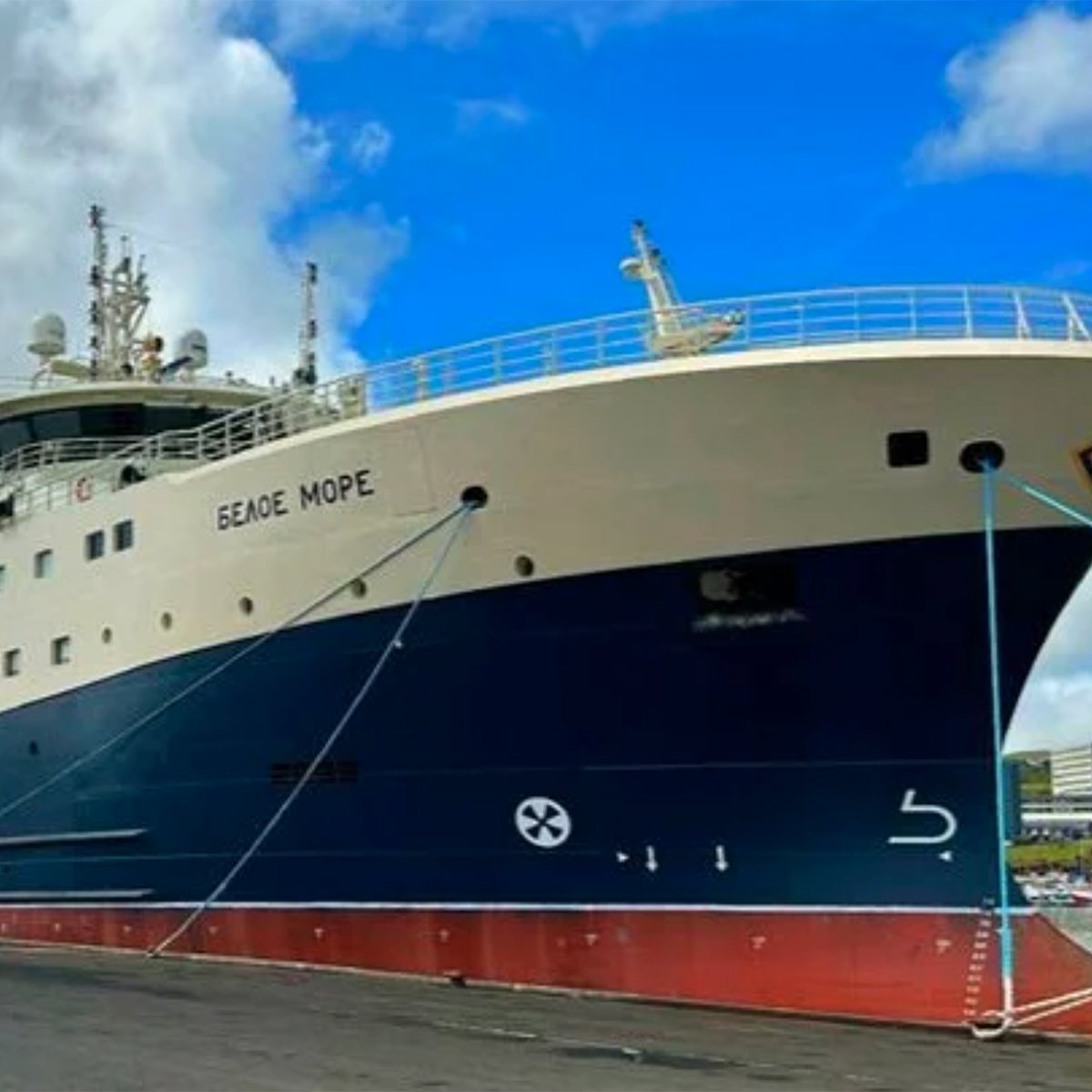
USC: electrical equipment for three fishing vessels
3 vessels · power distribution and monitoring system based on PMA300 · 2020–2023
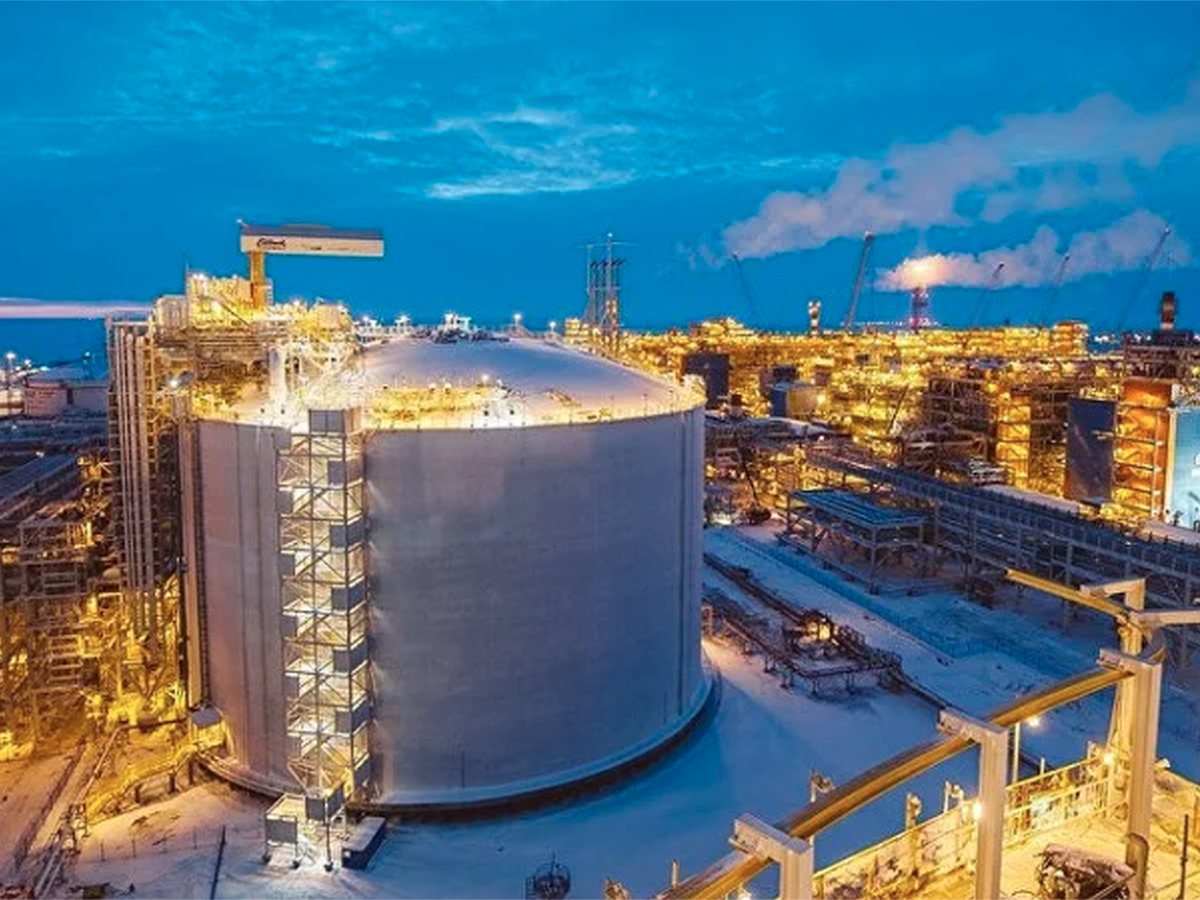
Yamal LNG: eight SGT-800 gas turbines, boil-off gas compressors and 29 modular substations
8 × SGT-800 · 4 boil-off gas compressors · 29 modular substations
Track record in the power grid sector
The 220 kV TsRP substation in Krasnoyarsk supplies major industrial consumers, including the Krasnoyarsk aluminium and metallurgical plants. Its technical upgrade and reconstruction were carried out by Rosseti’s Siberia Trunk Grids branch: the equipment was fully renewed and modern automation was introduced. The company’s specialists took part in the installation and commissioning of the GIS: 1,920 sets of circuit breakers, disconnectors, surge arresters, and current and voltage transformers. The equipment is connected to an automated remote monitoring and control system (TsRP project page).
In April 2024 the company and St Petersburg New Energy Group LLC (SNEG) signed a cooperation agreement and set up a service centre for 110–500 kV equipment: assembly, installation, adjustment and maintenance of air-insulated switchgear and GIS. The announcement of the agreement also named joint energy projects, equipment procurement and the development of a comprehensive supply and service offering for customers in Russia, Belarus and Central Asia.
What makes it different
- Equipment
GIS and circuit breakers for 110–500 kV networks
GIS 110–550 kV, dead-tank and live-tank SF6 circuit breakers; an assembly facility for up to 350 breakers a year.
- Service life
Service over the entire service life
Inspections, diagnostics and maintenance on request or after 12 years, major repair on request or after 25 years of operation, emergency stock — for 110–750 kV equipment.
- Testing
A mobile test laboratory up to 750 kV
High-voltage testing of GIS at the installation site, partial discharge measurement; the laboratory is registered with Rostechnadzor.
Codes and standards for 110–750 kV substations
The scope of testing and maintenance for a particular apparatus is set by the manufacturer’s operating manual and the documents in the table.
| Document | What it covers |
|---|---|
| Russian Electrical Installation Code (PUE), 7th edition, chapter 4.2 | design of switchgear and substations above 1 kV, including air-insulated switchgear and GIS |
| PUE, 7th edition, chapter 1.8 | acceptance test standards for new electrical equipment up to 500 kV; SF6 circuit breakers are covered by clause 1.8.21, with no separate clause on GIS |
| STO 34.01-23.1-001-2017, Rosseti | scope, standards and intervals for testing electrical equipment at power plants and in grids, including GIS and SF6 bus ducts rated 110–750 kV |
| Rules on Labour Protection in the Operation of Electrical Installations (Order of the Russian Ministry of Labour No. 903n of 15 December 2020) | tests under a permit-to-work, registration of test laboratories |
Questions and answers
Which voltage classes do you cover?
<a class="term-link" href="../glossary/gis/index.html" title="What is GIS (gas-insulated switchgear)">GIS</a> and SF6 circuit breakers 110–550 kV; service and testing of high-voltage equipment — up to 750 kV.
When does an SF6 circuit breaker need diagnostics?
Under the service contract, a diagnostic survey and maintenance are carried out on request or after 12 years of operation, and major repair at the works on request or after 25 years. In between there are inspections and an emergency stock. The scope of work for a particular apparatus is taken from the manufacturer’s operating manual.
Do you test GIS at the installation site?
Yes: the mobile <a class="term-link" href="../glossary/hv-test-laboratory/index.html" title="What is a high-voltage test laboratory">test laboratory</a> carries out high-voltage tests up to 750 kV and partial discharge measurement at the customer’s site.
Which standards govern testing of GIS and circuit breakers before energisation?
New electrical equipment up to 500 kV undergoes acceptance tests under chapter 1.8 of the Russian Electrical Installation Code (PUE), and SF6 circuit breakers under its clause 1.8.21. For GIS and SF6 bus ducts rated 110–750 kV, the scope and standards of testing are given in STO 34.01-23.1-001-2017, the Rosseti company standard applied across the group’s grids. The manufacturer’s manual is also taken into account. The company’s test laboratory is entitled to perform acceptance tests up to 750 kV.
What should be prepared to discuss a substation project?
The voltage class and switchgear type (air-insulated or GIS), the number of bays and apparatus, the rated and breaking currents, and the minimum air temperature at the site. State what you need: supply, installation supervision, testing or service of existing equipment. For service, give the manufacturer, model and year of manufacture, the number of switching operations and the latest test results. The scope of supply and the work programme are agreed once the data have been reviewed.