
Equipment and service for the oil and gas industry
Gas turbines driving compressors and pumps, centrifugal and reciprocating compressors for hydrocarbons, syngas and associated gas, dry gas seals. Turbine and compressor service, resident engineers on site, spare parts and anti-surge control. The team’s Arctic track record is at the Yamal LNG and Arctic LNG 2 plants.
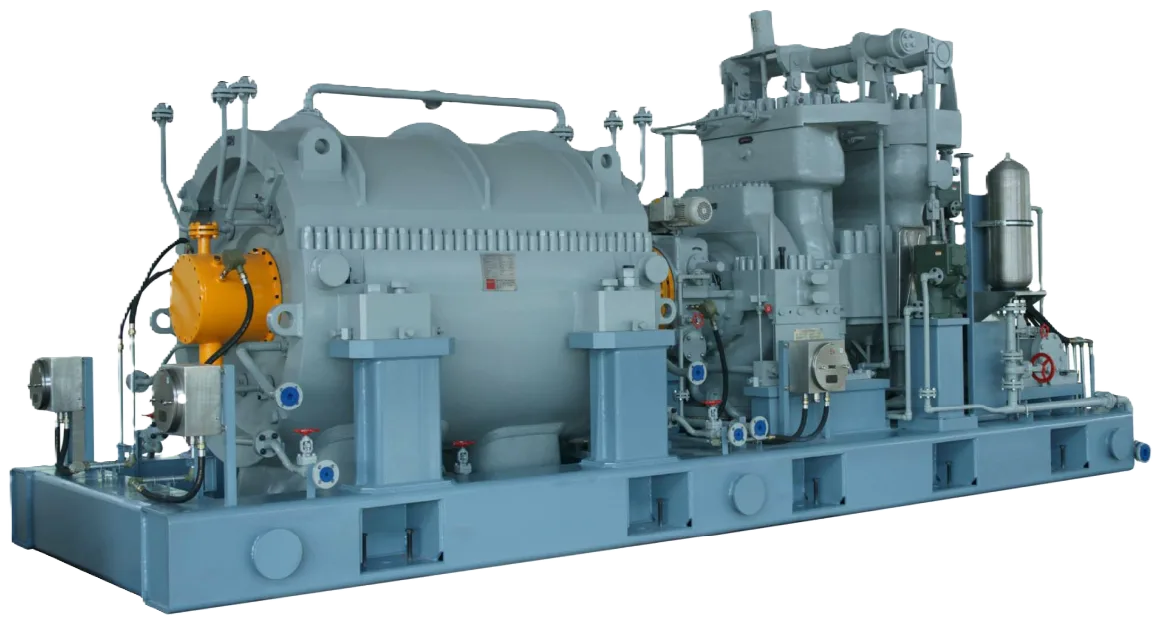
Industry task → our equipment and services
| Industry task | Equipment | Services |
|---|---|---|
| Compressor and pump drives | Gas turbines for mechanical drive | Gas turbine service |
| Compression of hydrocarbons, syngas and associated gas | Centrifugal and reciprocating compressors | Compressor service and repair |
| Compressor sealing and service life | Dry gas seals | Spare parts |
| Presence at a remote site | Inspections and diagnostics | Resident engineers |
| Compressor protection against surge | Turbine and compressor control systems | Anti-surge control |
How to select equipment for an oil and gas facility
Selection starts from the task: which gas has to be compressed, at what pressure and in what volume, and what will drive the machine. The input data are given in the enquiry data sheet.
Compression. Centrifugal compressors to API 617 are chosen for large flows of hydrocarbon gases, and reciprocating compressors to API 618 where a high discharge pressure is needed at a lower flow. For a centrifugal machine the molecular weight of the gas matters: the head per stage is limited by the impeller tip speed, so a light gas needs more stages for the same pressure ratio. The parameter ranges are on the centrifugal and reciprocating compressor pages.
Associated gas. The composition of associated gas is not constant, so a component analysis is made and the gas treatment is defined before the compressor is chosen. The project economics are compared with the environmental charges for flaring associated gas: under the Rules approved by Russian Government Resolution No. 710 of 22 May 2025, a coefficient of 25 is applied to the charge rates above the flaring limit. The limit can change, so the calculation follows the current version of the Rules.
Seals. Dry gas seals work without seal oil, so no oil gets into the process gas; API 692 sets the requirements for them. For Siemens Energy and Dresser-Rand compressor trains the company supplies dry gas, barrier and labyrinth seals.
Projects
LNG plants are a separate industry: see the LNG page.
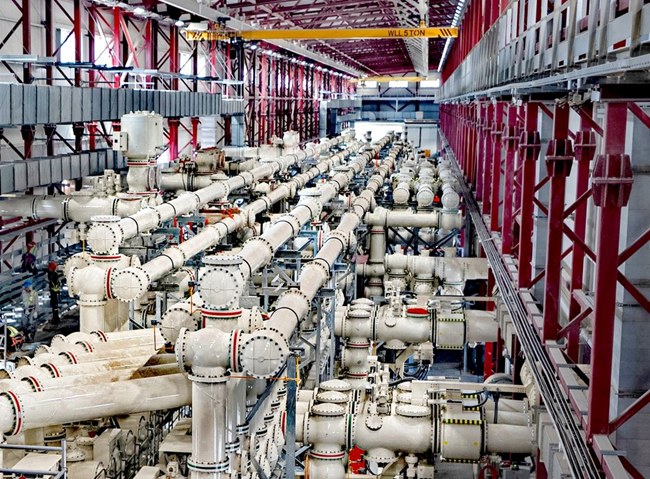
Akkuyu NPP: high-voltage testing of 400 kV GIS and SF6 bus ducts
400 kV GIS · 400 kV SF6 bus ducts
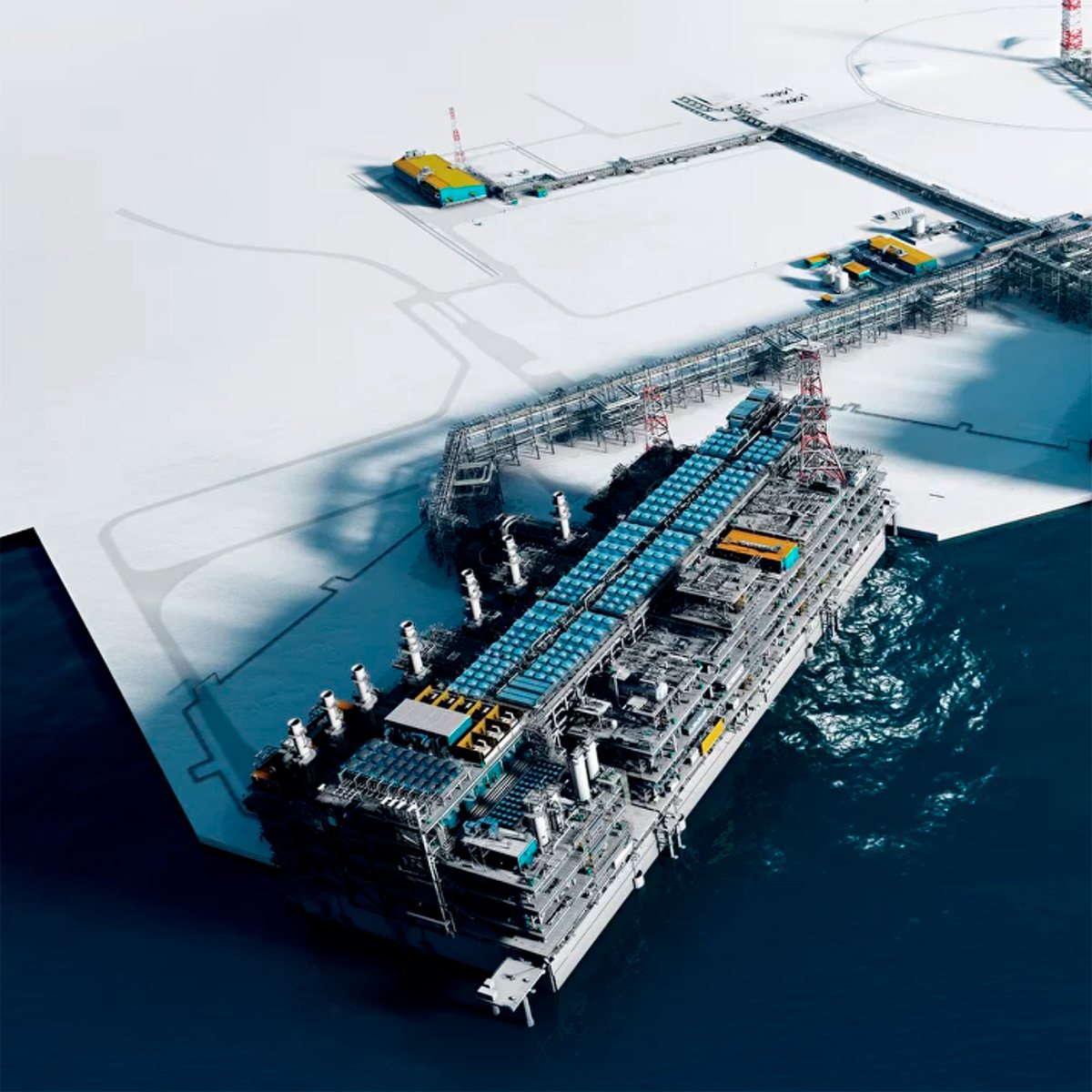
Arctic LNG 2: installation and commissioning of feed gas and boil-off gas compressors
feed gas compressors · boil-off gas compressors
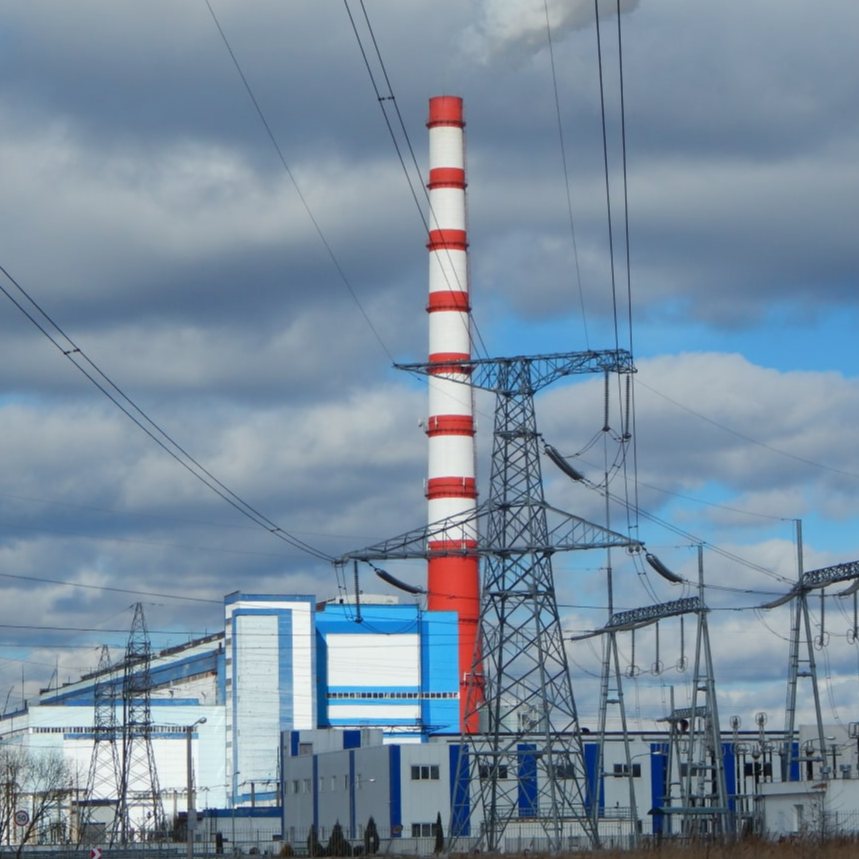
Belenergo: installation and commissioning supervision of 11 SGT-800 gas turbine units
11 × SGT-800 · full load in 15 minutes
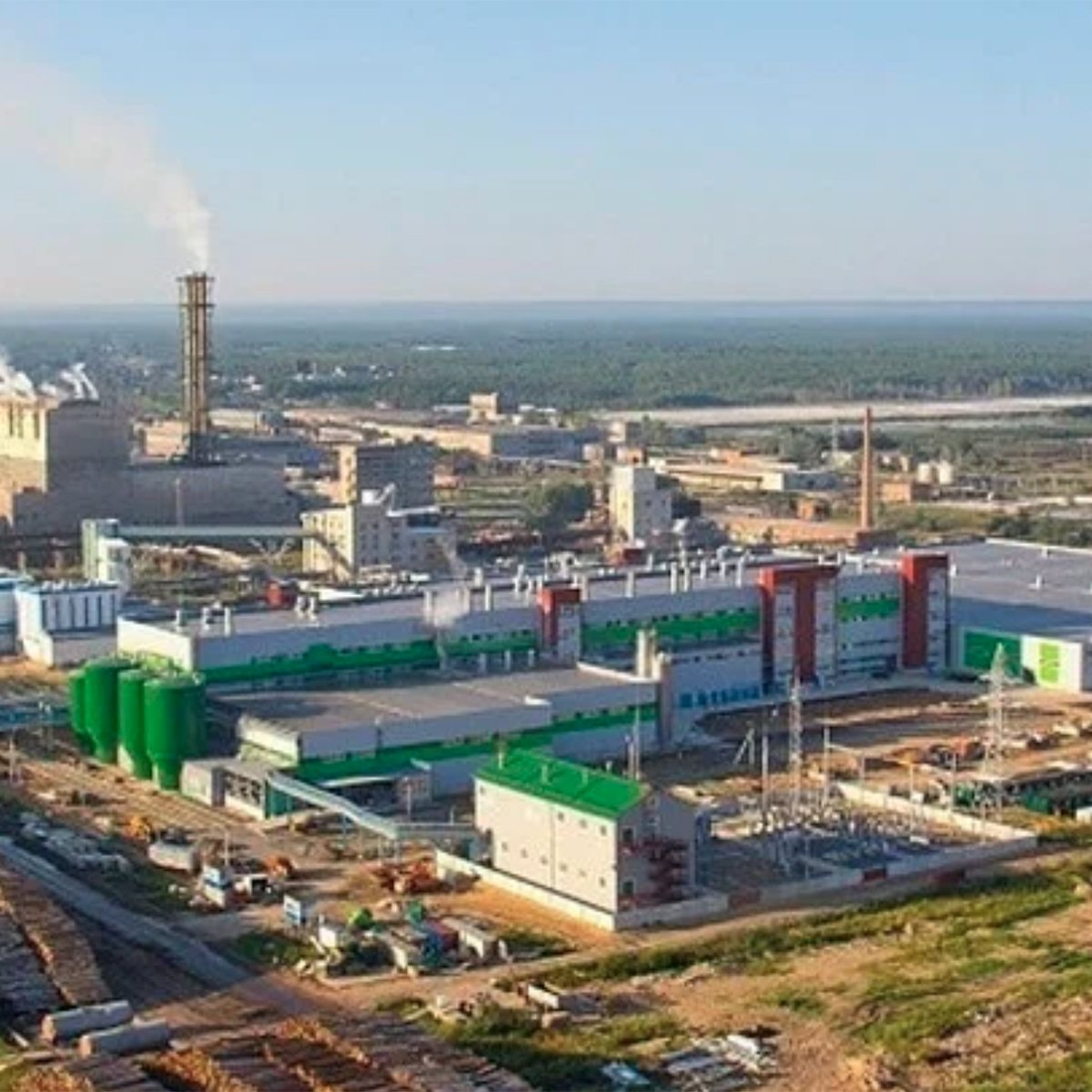
Ilim: board machine control system in Ust-Ilimsk
board machine of 600,000 tonnes a year · 2023

Knauf Petroboard: CHP steam boiler automation
steam boiler control system on SIMATIC PCS7
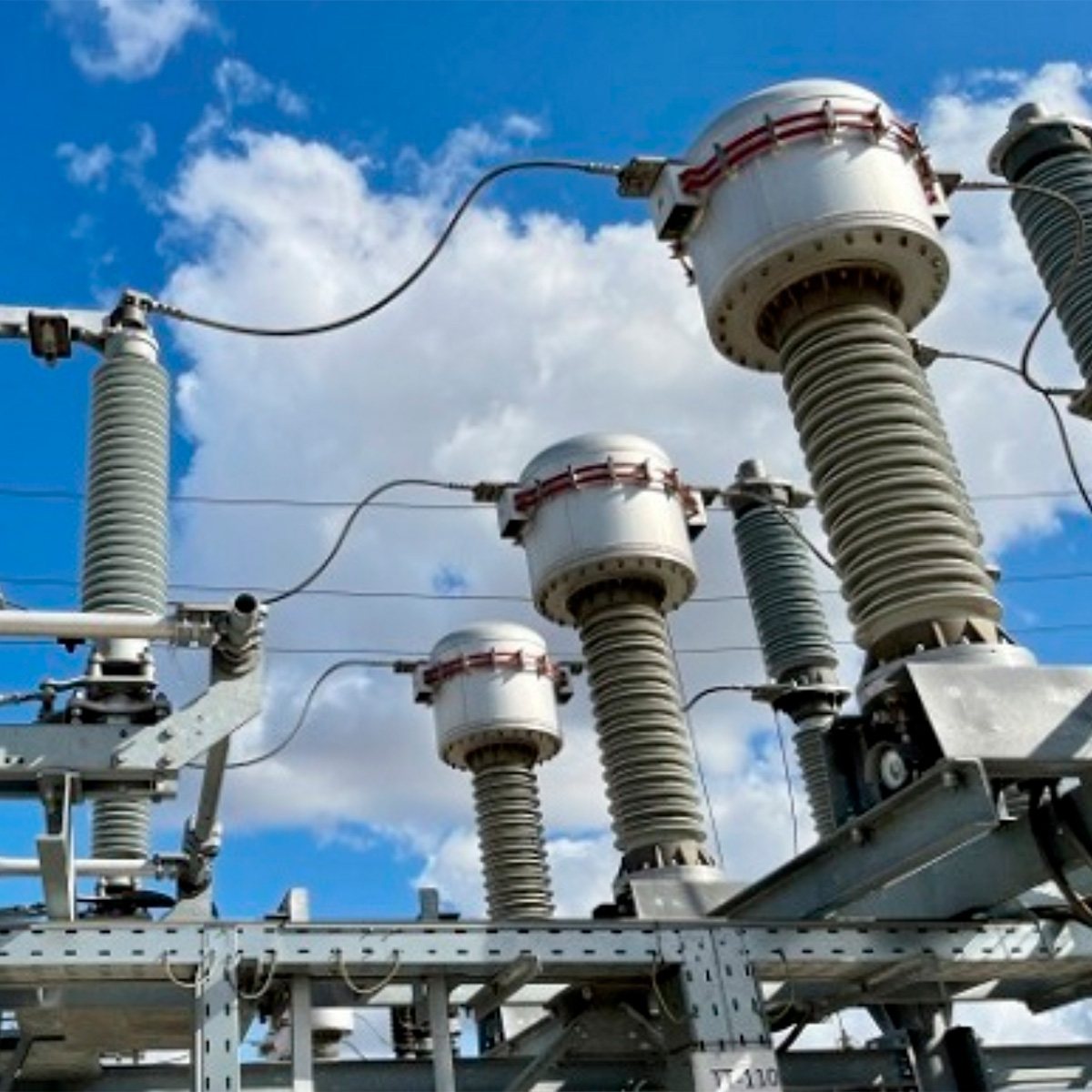
Rosseti: GIS for the 220 kV TsRP substation in Krasnoyarsk
1,920 sets of GIS equipment
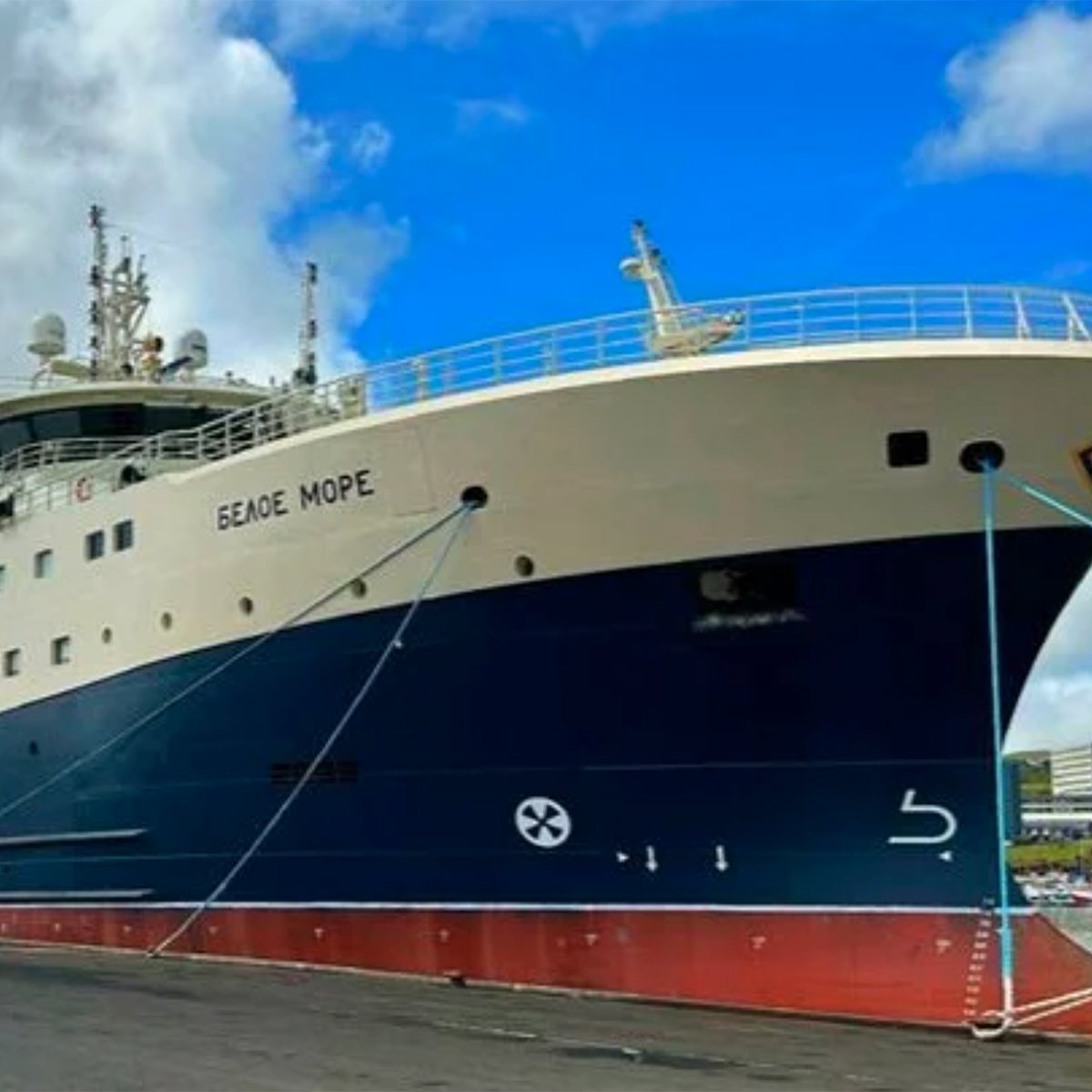
USC: electrical equipment for three fishing vessels
3 vessels · power distribution and monitoring system based on PMA300 · 2020–2023
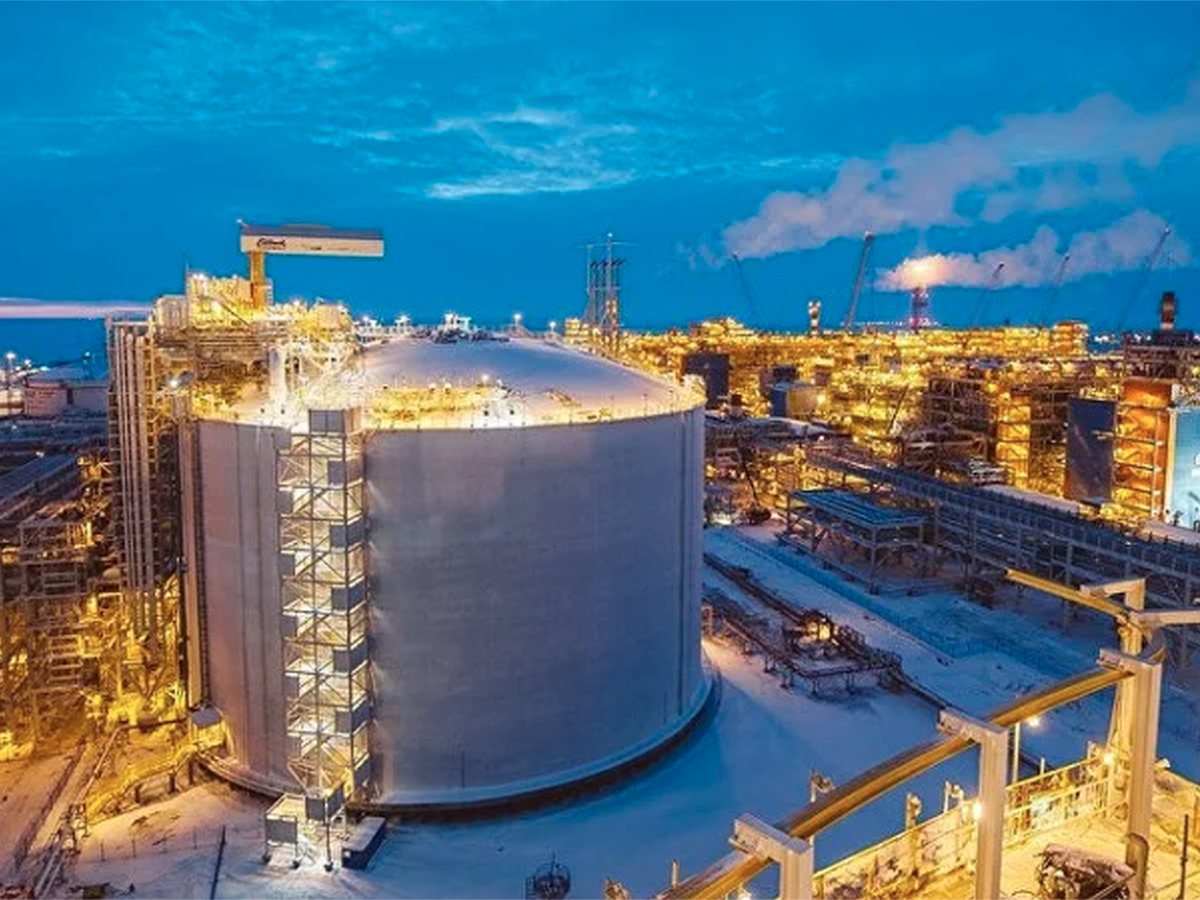
Yamal LNG: eight SGT-800 gas turbines, boil-off gas compressors and 29 modular substations
8 × SGT-800 · 4 boil-off gas compressors · 29 modular substations
Letters of appreciation
Experience in the oil and gas industry
Customers for whom the company’s specialists have supplied and commissioned equipment and systems include Gazprom, Rosneft, LUKOIL, NOVATEK and CPC.
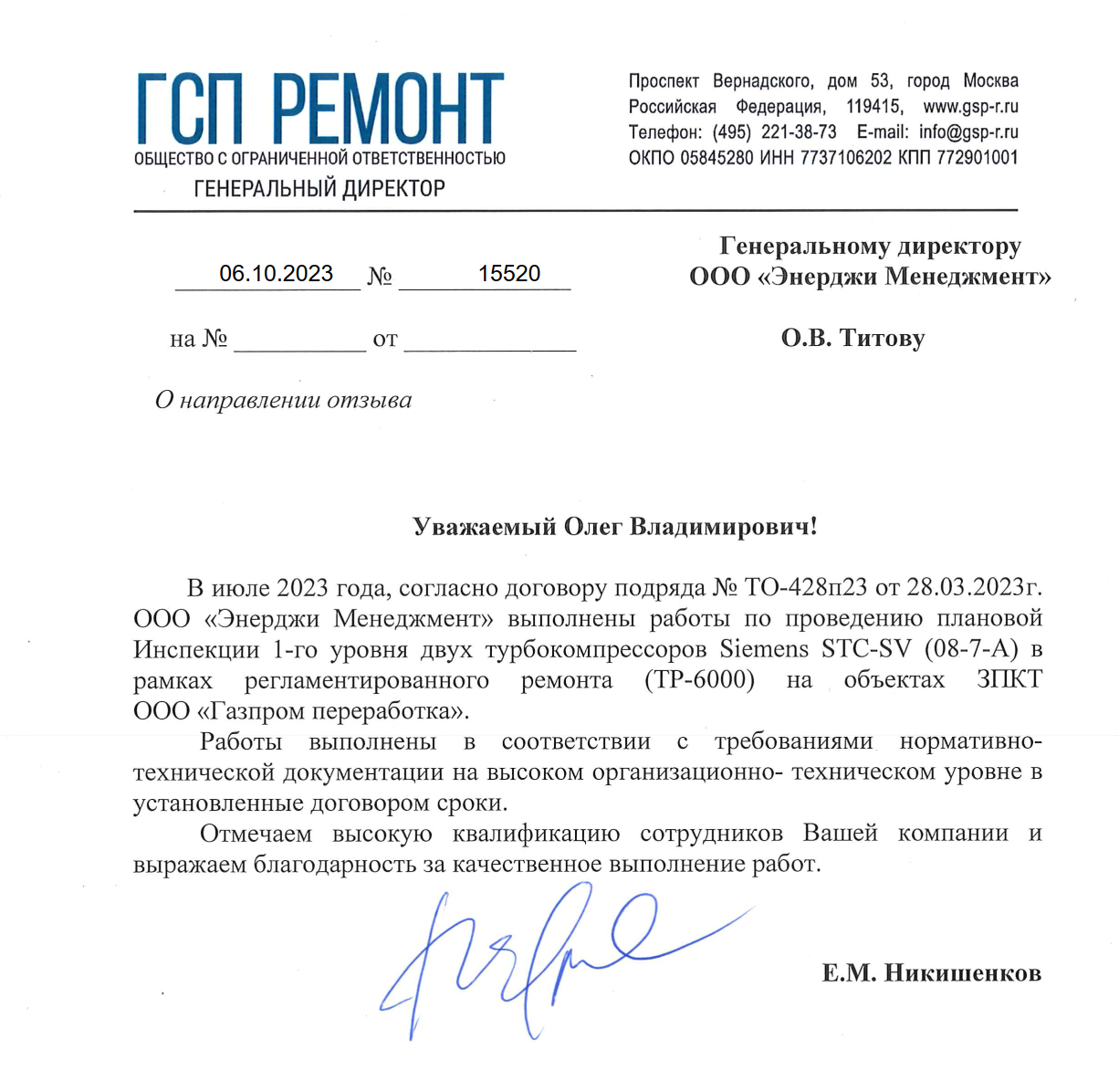
Inspection of Siemens STC-SV turbocompressors. The work for which GSP Remont LLC thanks the company was carried out in July 2023 at the Gazprom Pererabotka condensate treatment plant: the scheduled Level 1 inspection of two turbocompressors was part of the TR-6000 routine repair programme. The letter No. 15520 of 6 October 2023 reads: “We note the high qualifications of your company’s staff and express our gratitude for the high-quality performance of the work” (translated from Russian). How such work is organised is described on the inspections and diagnostics page.
Tyumen Region Oil and Gas Cluster. In March 2024 the company signed an agreement with the Oil and Gas Cluster Association on joining the cluster’s industrial activity and cooperating with Bazovoe Mashinostroenie. According to the Tyumen Region department of investment policy, the agreement will make it possible to set up a competence centre at Bazovoe Mashinostroenie for the repair and maintenance of gas turbine equipment. In April 2024 the parties signed a tripartite cooperation agreement. Other partners of the company are listed on the Partners page.
Oil and gas exhibitions and conferences
The company exhibited at Neftegaz in 2024, 2025 and 2026 and has given presentations at industry conferences.
| Event | When and where | Participation |
|---|---|---|
| Downstream 2024 conference | 20–21 March 2024, St Petersburg | presentation “Continuing the Siemens tradition” |
| Neftegaz 2024 | 15–18 April 2024, Expocentre | stand, presentation at the Association of Compressor Manufacturers conference |
| Neftegaz 2025 | 14–17 April 2025, Expocentre | stand: compressors, turbines, process control, IT and information security |
| Neftegaz 2026 | 2–5 March 2026, Crocus Expo | stand shared with partner Turbinaspetsservis Production Enterprise (Ufa) |
The results of the latest exhibition are in the Neftegaz 2026 news item.
What makes it different
- Drive
Turbine, compressor and controls from one team
The gas turbine is matched to the compressor or pump, with anti-surge protection and the train control system coordinated with each other.
- Service
Engineers where the equipment is
Resident engineers, inspections by running hours, spare parts and dry gas seals — service does not depend on how remote the site is.
Standards and regulations for turbines and compressors
Oil and gas companies usually specify the requirements for the machines themselves by API standards; in Russia the requirements for the facility and equipment are set by federal industrial safety rules and Customs Union technical regulations.
| Document | What it covers |
|---|---|
| API 617, 9th ed., 2022 | axial and centrifugal compressors and expander-compressors |
| API 618, 6th ed., 2024 | reciprocating compressors |
| API 616, 6th ed., 2022 | gas turbines for mechanical drive and generator drive |
| API 692, 1st ed., 2018 | dry gas seal systems |
| API 670, 6th ed., 2025 | machinery protection: vibration, axial position, overspeed, surge |
| Russian federal rules “Safety Rules for the Oil and Gas Industry” (Rostechnadzor Order No. 534 of 15 December 2020) | requirements for hazardous production facilities in oil and gas production, including the installation, maintenance and repair of technical devices; valid until 1 January 2027 |
| TR CU 012/2011 | equipment for use in explosive atmospheres |
| TR CU 010/2011 | safety of machinery and equipment |
The facility’s requirements for standards and conformity documents are given in the enquiry data sheet, and the technical and commercial proposal is prepared on that basis.
Questions and answers
Which compressors do you supply for oil and gas fields?
Centrifugal compressor trains to API 617 for hydrocarbons and syngas, driven by a steam turbine or an electric motor, and <a class="term-link" href="../glossary/reciprocating-compressor/index.html" title="What is a reciprocating compressor">reciprocating compressors</a> to API 618 for natural gas and other gases.
How is service organised at a remote field?
<a class="term-link" href="../glossary/resident-engineer/index.html" title="Who is a resident engineer">Resident engineers</a> on site, scheduled inspections by running hours, spare parts and dry gas seals, anti-surge protection of the compressors.
Which spare parts do you supply for compressors?
For Siemens Energy and Dresser-Rand compressor trains: dry gas, barrier and labyrinth seals, bearings and bearing shells, lube oil system parts, flow path components, sensors and spares for control and vibration monitoring systems. Parts are selected by the model and serial number of the train. We confirm the origin of parts by catalogue numbers, markings and accompanying documents, and every batch is inspected by our engineers before shipment.