
Electrical equipment and automation for shipbuilding
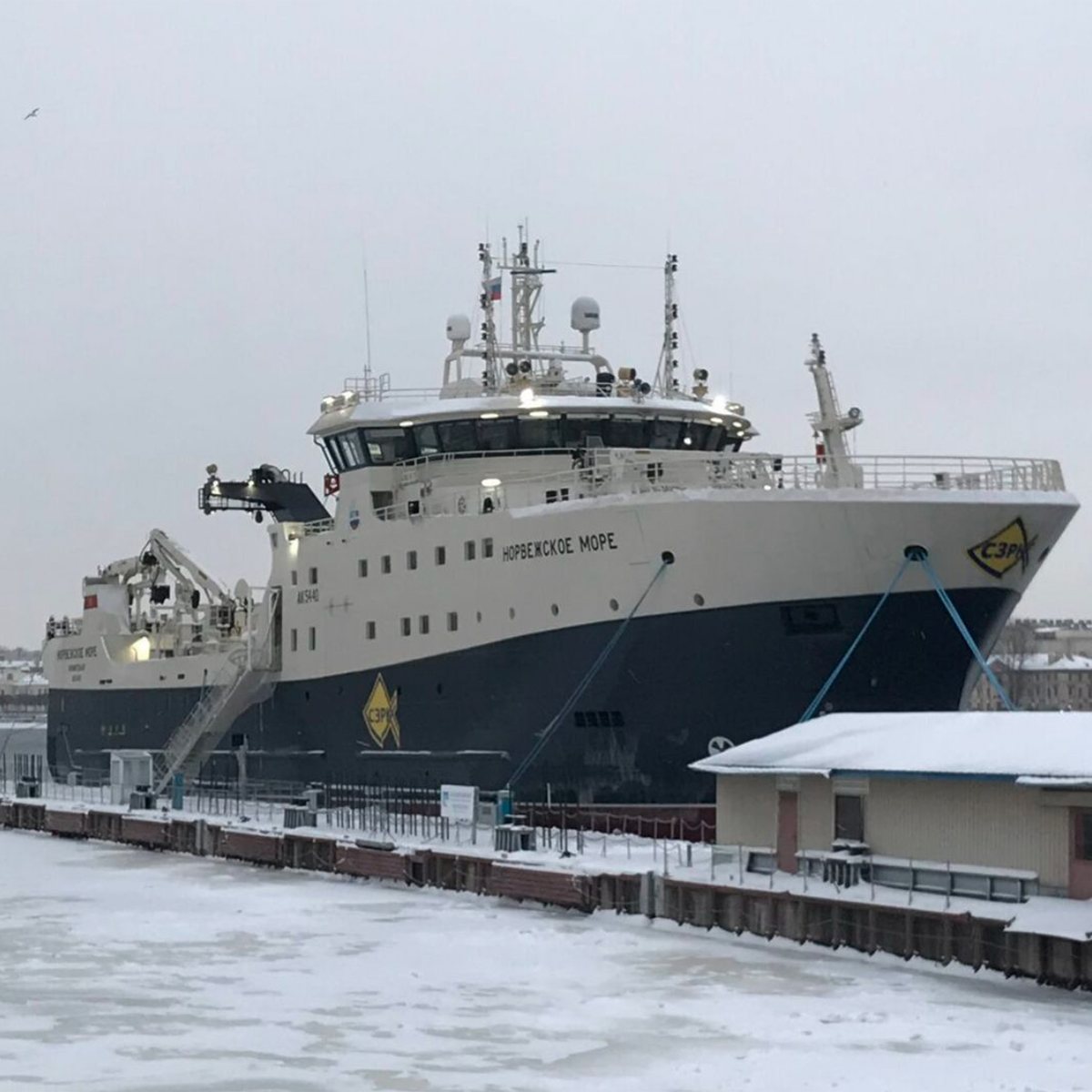
Shipboard power distribution and monitoring systems: switchboards, transformers, converters, starters, the PMA300 control, monitoring and diagnostic system. The team supplied and commissioned the electrical equipment of three fishing vessels built by the Vyborg Shipyard (USC) for the Arkhangelsk Trawl Fleet in 2020–2023.
Industry task → our equipment and services
| Industry task | Equipment | Services |
|---|---|---|
| Shipboard power distribution | Switchboards, transformers | Installation supervision and commissioning |
| Power for drives and consumers | Converters, starters | Customer staff training |
| Control and diagnostics of the ship’s electrical network | PMA300 control, monitoring and diagnostic system | Inspections and diagnostics |
| Vessel delivery | Commissioning and sea trials | Spare parts |
How a fishing vessel’s electrical power system works
A ship’s electrical power system consists of the generators, the main switchboard, transformers, converters and starters for consumers, and a control system that ties them together. On a factory trawler it supports not only propulsion and steering but also fishing and catch processing: the 86-metre KMT01 trawler Beloye More is designed to process up to 160 tonnes of raw fish a day.
Power distribution. Under the rules of the Russian Maritime Register of Shipping (RS), the main source of electrical power must consist of at least two independently driven generators. Their number and output are chosen so that, if any one of them fails, the rest can supply the equipment needed for propulsion, steering and safety, and can start the largest electric motor. The output is calculated for each operating mode: sea passage, manoeuvring, emergencies and the modes specific to the ship’s purpose, which for a trawler means fishing and catch processing. The main switchboard distributes power to the consumers, and transformers supply networks at other voltages, such as lighting.
Power for drives. The large consumers are the electric motors of pumps, fans, refrigeration compressors and processing lines. Starters switch and protect the motors and, for large motors, limit the starting current: under the RS rules, starting the largest motor must not reduce the voltage and frequency so far that a generator falls out of step or running machinery trips. Converters supply consumers that need a different voltage.
Control and diagnostics. The power management system starts the generators, synchronises them, takes up and shares the load, brings a standby set on line in a preset order as the load grows and, on overload, sheds non-essential consumers while keeping power to propulsion, steering and safety equipment. The power plant automation also monitors network voltage, frequency and insulation resistance and raises an alarm when they drop below the set limits. For ships with the AUT1 automation mark — Beloye More is classed KM Ice3 AUT1 — the RS rules require an automated power plant: the machinery must operate without permanent attendance in the machinery spaces and the central control room. On the three KMT01 trawlers the team supplied a control, monitoring and diagnostic system based on PMA300 as part of the power distribution and monitoring system and carried out its commissioning — the scope of supply is described in the USC project.
Projects
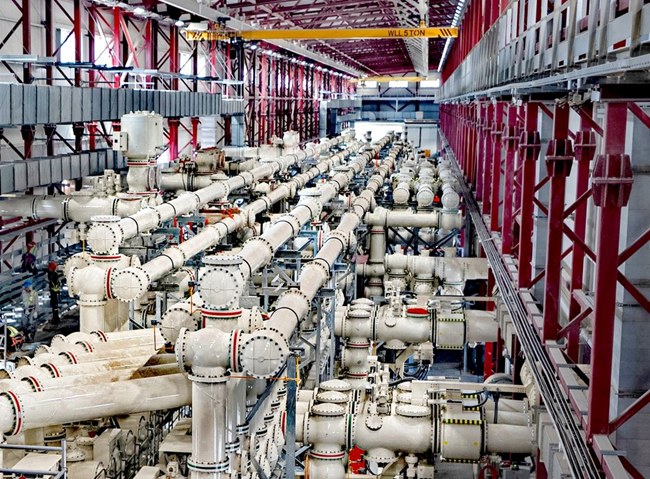
Akkuyu NPP: high-voltage testing of 400 kV GIS and SF6 bus ducts
400 kV GIS · 400 kV SF6 bus ducts
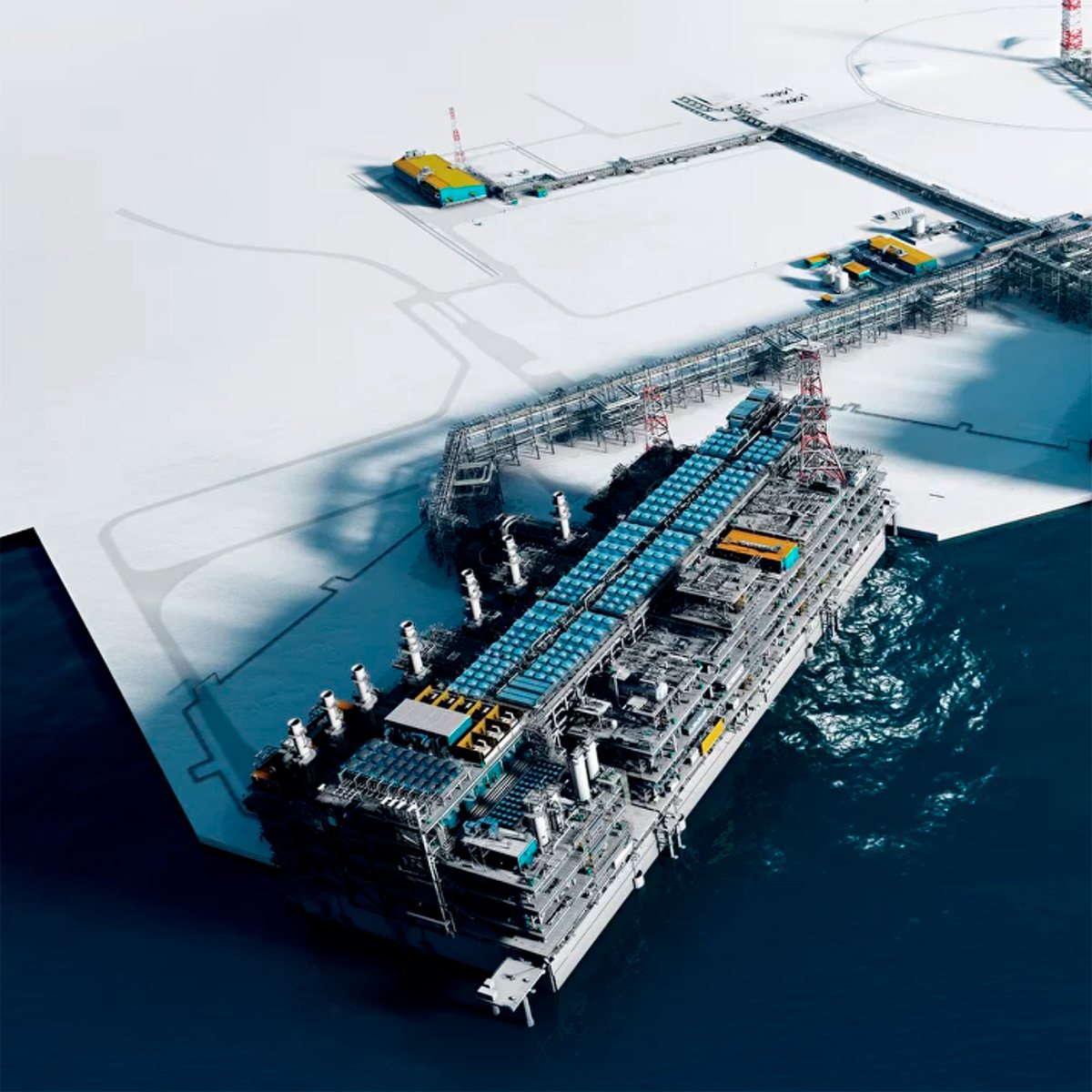
Arctic LNG 2: installation and commissioning of feed gas and boil-off gas compressors
feed gas compressors · boil-off gas compressors
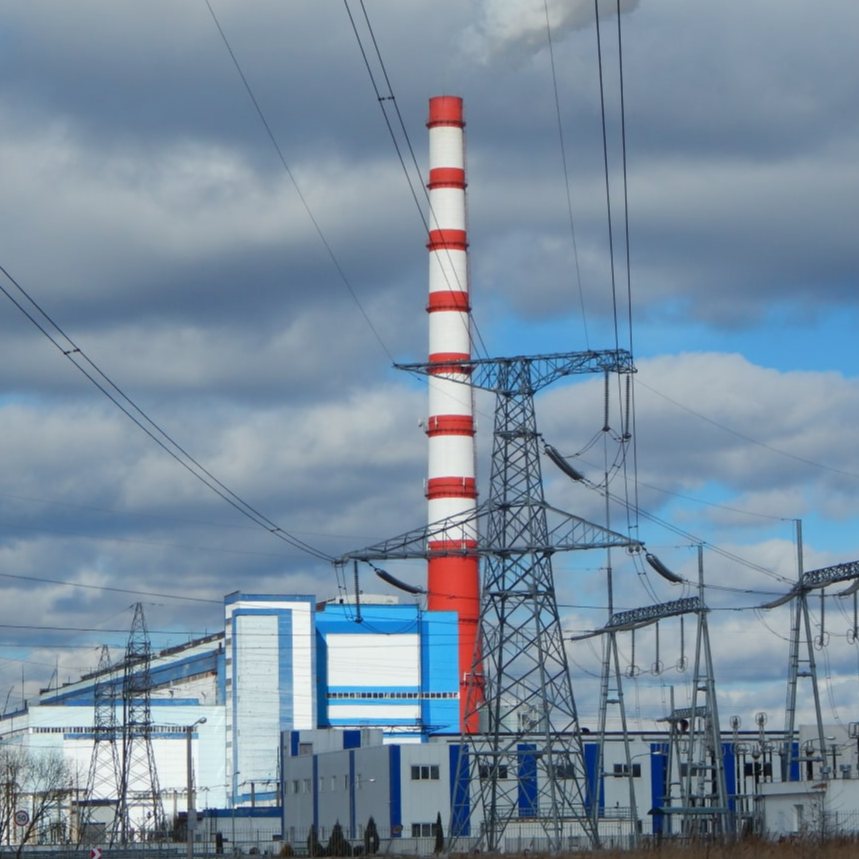
Belenergo: installation and commissioning supervision of 11 SGT-800 gas turbine units
11 × SGT-800 · full load in 15 minutes

Ilim: board machine control system in Ust-Ilimsk
board machine of 600,000 tonnes a year · 2023

Knauf Petroboard: CHP steam boiler automation
steam boiler control system on SIMATIC PCS7
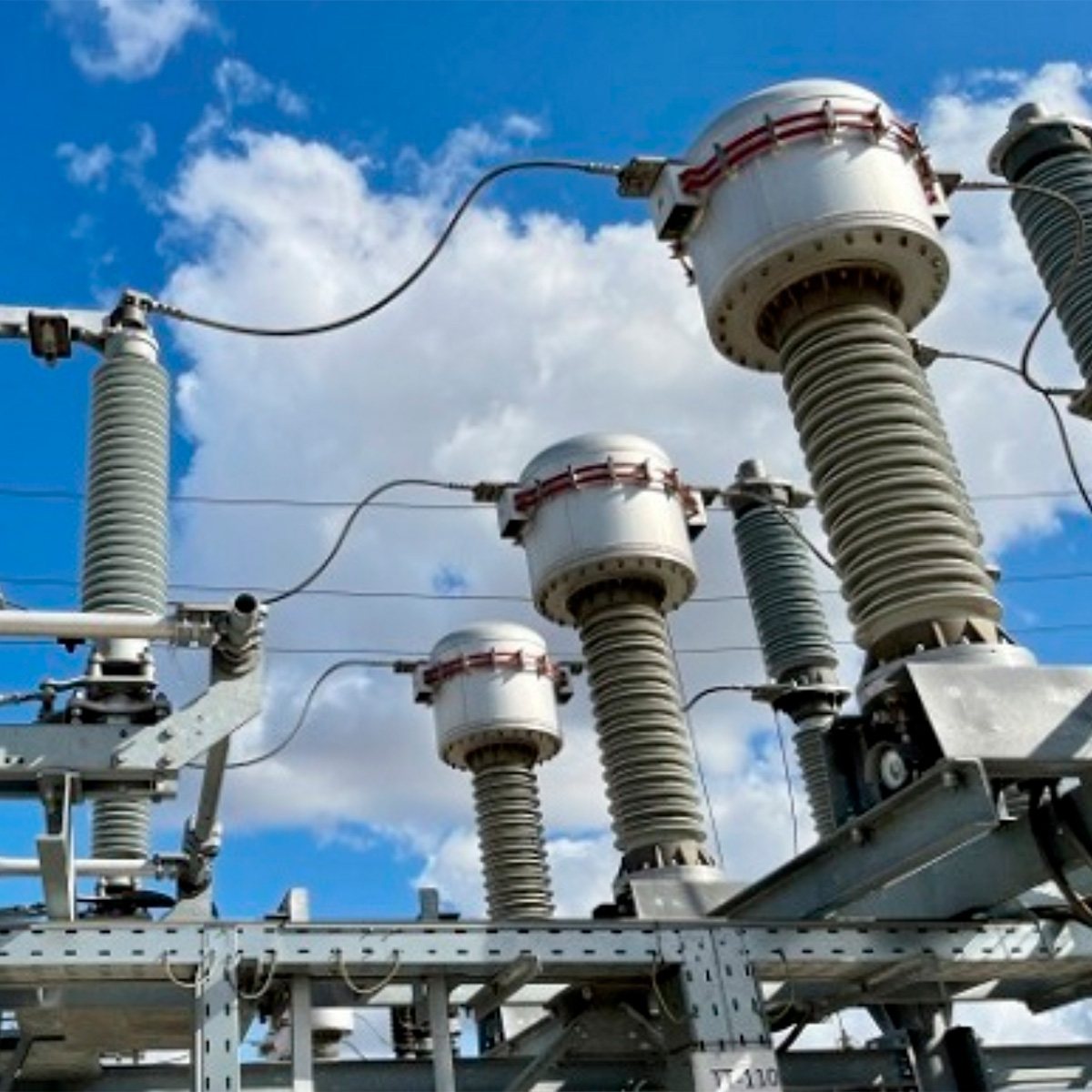
Rosseti: GIS for the 220 kV TsRP substation in Krasnoyarsk
1,920 sets of GIS equipment
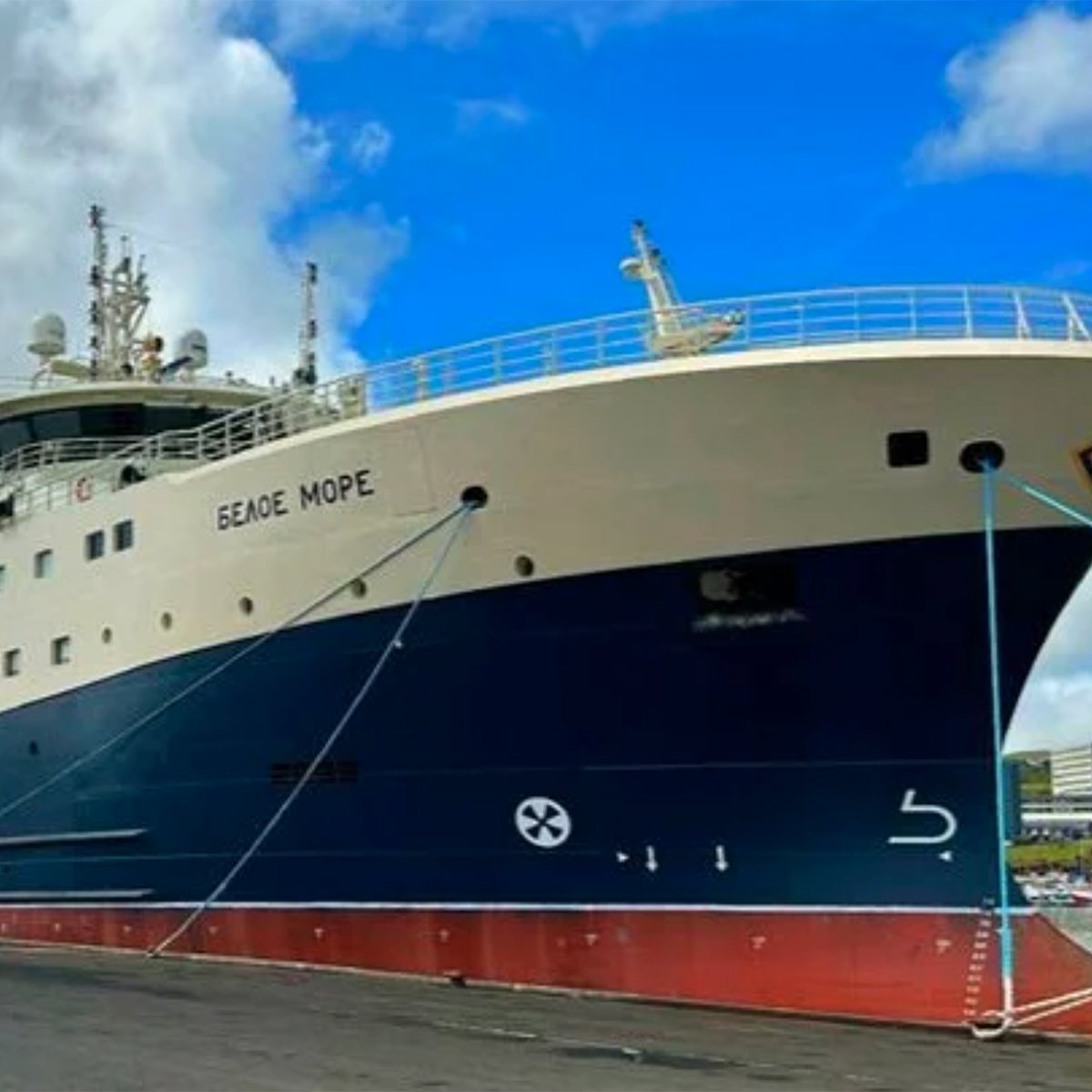
USC: electrical equipment for three fishing vessels
3 vessels · power distribution and monitoring system based on PMA300 · 2020–2023

Yamal LNG: eight SGT-800 gas turbines, boil-off gas compressors and 29 modular substations
8 × SGT-800 · 4 boil-off gas compressors · 29 modular substations
Letters of appreciation
What makes it different
- System
The ship’s power under control
Switchboards, transformers, converters and starters work as one system; PMA300 controls it, monitors its condition and diagnoses it.
- Shipyard
From supply to sea trials
The engineers commission the power distribution and monitoring system on board during outfitting and take part in sea trials until the vessel is handed over.
- Series
Three vessels of one design
The KMT01 trawlers for the Arkhangelsk Trawl Fleet were delivered in 2020–2023; the customer acknowledged the team’s work with a letter of appreciation.
Class rules and trials of shipboard electrical equipment
If a ship is built under the technical supervision of the Russian Maritime Register of Shipping, its electrical equipment must meet Part XI “Electrical Equipment” and Part XV “Automation” of the RS Rules for the Classification and Construction of Sea-Going Ships. For passenger ships and larger cargo ships on international voyages, the requirements are based on SOLAS Chapter II-1 (Part D, Electrical installations). Fishing vessels are excluded from SOLAS, so for a trawler the main reference is the rules of the classification society that assigns its class. Detailed technical requirements are set out in the IEC 60092 series, Electrical installations in ships, for example IEC 60092-201:2019 on system design and IEC 60092-504:2016 on automation.
| Requirement | What the rules set | RS rules |
|---|---|---|
| Main source of power | at least two independently driven generators; if any one fails, the rest ensure propulsion, steering and safety of the ship and the start of the largest electric motor | Part XI, 3.1.1–3.1.2 |
| Generator overload | with generators running in parallel, automatic tripping of less essential consumers | Part XI, 3.1.3 |
| Failure of the only running generator | automatic start of a standby generator and its connection to the main switchboard busbars within 45 s, and automatic restart of essential services in the required sequence | Part XI, 3.1.3 |
| List and motion | reliable operation at a prolonged list of up to 15° and trim of up to 5°, rolling of up to 22.5° with a period of 7–9 s and pitching of up to 10°; emergency equipment also at a prolonged list of up to 22.5° and trim of up to 10° | Part XI, 2.1.2.2 |
| Climate | machinery spaces from +5 to +45 °C, open decks from −25 to +45 °C (unrestricted navigation); electronics in switchboards and consoles up to +55 °C | Part XI, 2.1.1.1 |
| Automated power plant | remote start of generating sets with automatic synchronisation, load take-up and load sharing; preselection of the automatic start sequence; indication that sets are ready to start | Part XV, 4.4.1–4.4.4 |
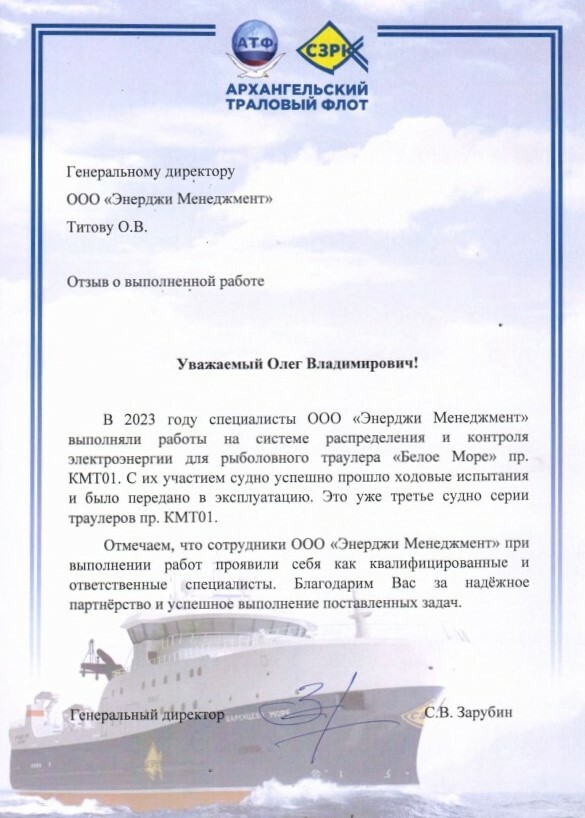
Trials. The programme of mooring and sea trials is approved by the Register. During mooring trials at the quay the power plant and power distribution are checked in operation; sea trials test them in modes that are only possible at sea. The shipowner, Arkhangelsk Trawl Fleet JSC, described the team’s work on the trawler Beloye More in a letter of appreciation (translated from Russian): “In 2023 the specialists of Energy Management LLC carried out work on the power distribution and monitoring system for the fishing trawler Beloye More, project KMT01. With their involvement the vessel successfully completed sea trials and was handed over for operation.” The scan of the letter is in the letters of appreciation section and the news item about the letter; how we organise work on site is described on the installation supervision and commissioning page.
Questions and answers
What does a shipboard power distribution and monitoring system include?
Switchboards, transformers, converters, starters and the PMA300 control, monitoring and diagnostic system.
Do you take part in the vessel’s trials?
Yes. The engineers commission the power distribution and monitoring system at the shipyard and take part in sea trials: with their involvement the trawler Beloye More completed its sea trials and was handed over for operation.
Which vessels have you equipped?
Three fishing vessels built by the Vyborg Shipyard (USC) for the Arkhangelsk Trawl Fleet, 2020–2023.
Why does a trawler need a power management system?
A trawler’s electrical load changes with its operating mode: passage, trawling, catch processing. The power management system starts and synchronises the generators, shares the load between them, brings a standby set on line and sheds non-essential consumers on overload. On ships with the AUT1 automation mark the machinery operates without permanent attendance in the machinery spaces, so these functions are automatic. For the Vyborg Shipyard’s KMT01 trawlers, the team supplied a PMA300-based control, monitoring and diagnostic system.
What should I attach to a request for the supply or commissioning of shipboard electrical equipment?
The ship’s design number and RS class, the single-line diagram of the main switchboard, the electrical load table for the ship’s operating modes, a list of large consumers with their ratings and starting method, and the construction stage and schedule of mooring and sea trials. From these data our engineers will assess the scope of supply and commissioning and prepare a technical and commercial proposal.