
Gas turbine service and repair
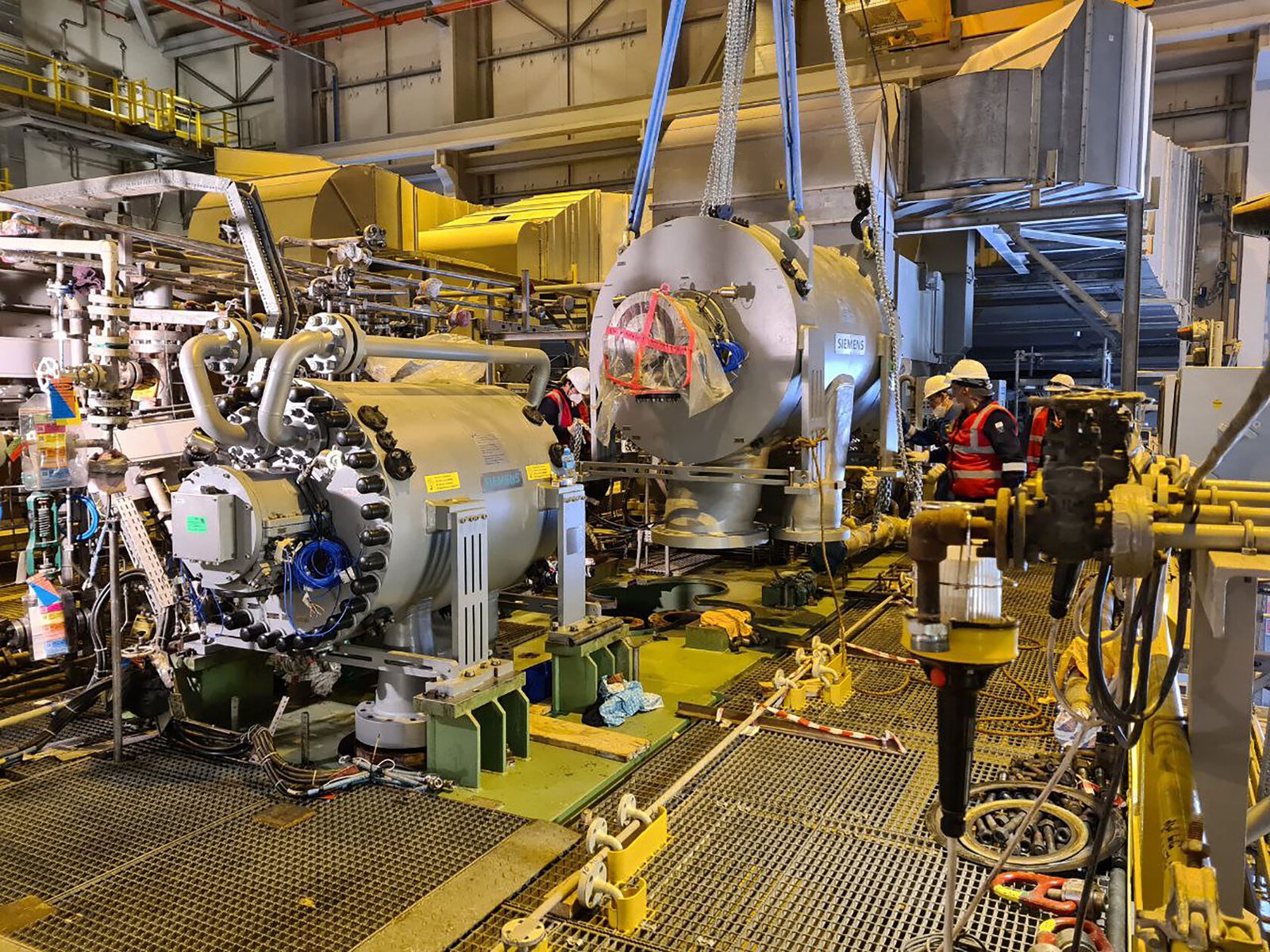
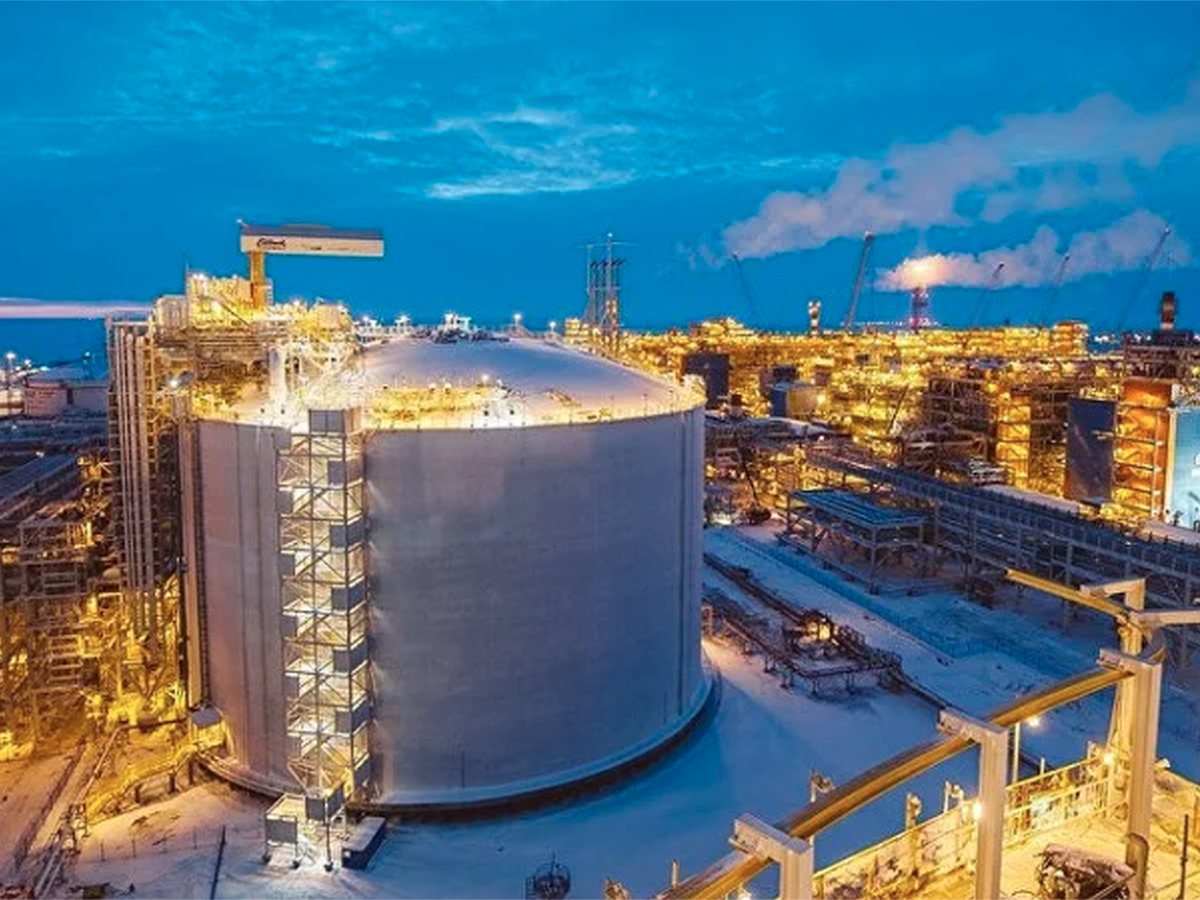
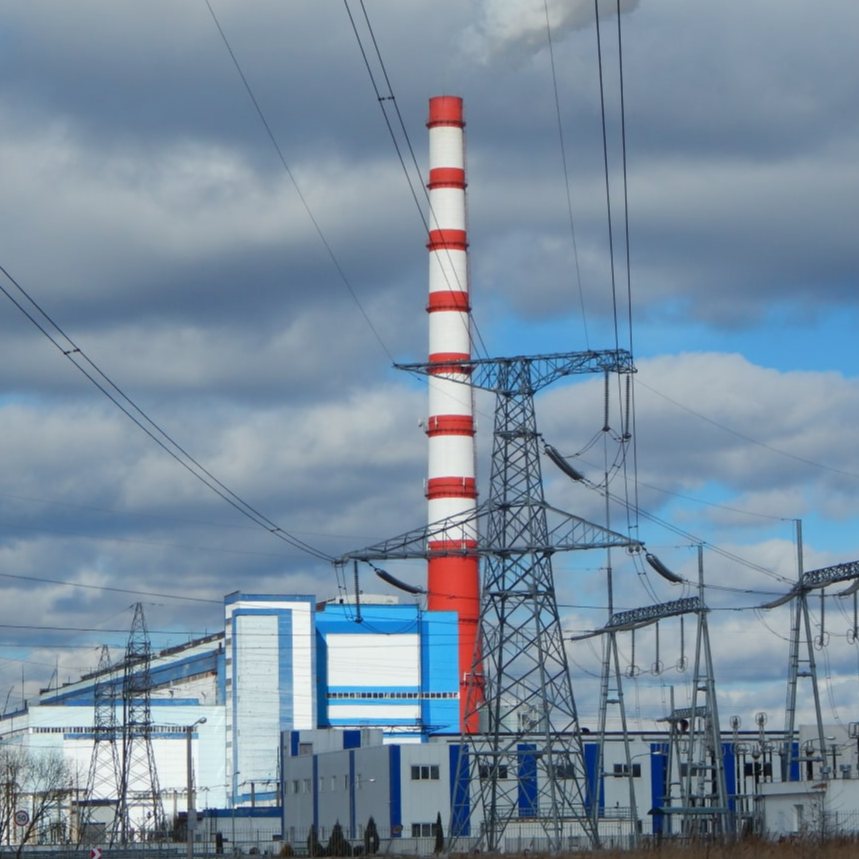
We service small and medium industrial gas turbines by Siemens Energy: minor inspections, medium and major overhauls, combustion tuning, engineering studies to optimise gas turbine operation, control system upgrades and repair, spare parts. Team record: 8 SGT-800 units at Yamal LNG — supply, erection, commissioning and maintenance; 11 SGT-800 units in Belarus — installation and commissioning supervision.
Scope
- minor inspections by running hours
- medium and major overhauls
- combustion tuning
- engineering studies to optimise gas turbine operation
- control system upgrades and repair
- vibration diagnostics and field balancing
- spare parts and consumables
- training of the customer's personnel
Scope of work: from maintenance to major overhaul
The scope of maintenance and repair work on gas turbine units is set by the manufacturer’s operating manual, the actual running hours and the condition of the machine. The deeper the work, the more dismantling is needed and the longer the outage, so we agree the work programme before work starts and refine it after the diagnostic survey.
| Type of work | What is done | When it is scheduled |
|---|---|---|
| Diagnostic survey | assessment of the condition of the machine and spare parts, forecast of upcoming maintenance and of the components required | before installation, commissioning or maintenance |
| Maintenance | routine operations without dismantling: inspections, checks of protections and systems, filter replacement, monitoring of vibration and operating parameters | within the scope of the operating manual or on request |
| Minor inspection | borescope inspection of compressor and turbine blades and combustion liners through the inspection ports; inspection of auxiliary systems | by running hours, between overhauls |
| Medium overhaul | partial dismantling, typically of the combustion system and hot gas path: burners, combustion liners, transition pieces, nozzle guide vanes and rotor blades of the first stages; repair or replacement based on the damage assessment | by equivalent running hours and number of starts |
| Major overhaul | complete dismantling, inspection of the rotor, bearings, compressor and turbine, restoration or replacement of parts, reassembly with clearance measurements, test run | at the running hours set by the manufacturer or based on condition |
| Unplanned repair | root cause analysis using the control system event log, trends and inspection findings, rectification of the defect, restart | after a trip or when operating parameters deviate |
For power plants of 5 MW and above that are part of a power system, other than nuclear power plants, the types of repair are defined by the Rules for Organising the Maintenance and Repair of Power Facilities (Order of the Ministry of Energy of Russia No. 1013 of 25 October 2017, as amended on 19 December 2023). A major overhaul restores serviceability and the full or nearly full service life; a medium overhaul restores serviceability and part of the service life, with a limited range of components replaced or restored. Equipment is accepted from repair after acceptance tests in two stages: at start-up and under load (clause 101 of the Rules). Inspection intervals are described in the glossary entry “Gas turbine inspection”.
After repair, vibration at start-up and under load is compared with the limits. For land-based gas turbines above 3 MW with fluid-film bearings and operating speeds of 3,000 to 30,000 r/min, the limits are set by ISO 20816-4:2018 (adopted in Russia as GOST R ISO 20816-4-2022). Machines above 40 MW with rated speeds of 1,500, 1,800, 3,000 or 3,600 r/min are assessed to ISO 20816-2:2017 (GOST R ISO 20816-2-2022). Aeroderivative machines are outside the scope of both standards, and the manufacturer’s criteria apply to them. See vibration diagnostics and field balancing.
Gas turbines for the oil, gas and chemical industries are often supplied to API 616 (6th edition, 2022), which sets minimum requirements for design, auxiliary systems and testing; when components of such machines are replaced, the requirements to which they were supplied are taken into account.
Gas turbines we service
| Type | Manufacturer and models | More |
|---|---|---|
| Small and medium industrial gas turbines | Siemens Energy (SGT-100, SGT-200, SGT-300, SGT-400, SGT-600, SGT-700, SGT-800) | SGT service |
Manufacturer names and designations are given to identify the equipment we service. Trademarks belong to their respective owners. Energy Management LLC is an independent service company.
Hot gas path and blades: repair or replace
The parts most often repaired and replaced are those of the hot gas path, which operate at the highest temperatures: the combustion liners and burners, the transition pieces (in machines with can-annular combustors), and the nozzle guide vanes and rotor blades of the first stages. Whether to repair or replace them is decided by the damage assessment, not by the calendar.
What the damage assessment checks
- the condition of oxidation-resistant and thermal barrier coatings: burn-off, spallation, oxidation of the base metal;
- thermal fatigue cracks — visually and by penetrant testing;
- blade tip wear and airfoil erosion, foreign object damage;
- distortion and signs of creep — from measurements of geometry and clearances;
- whether the cooling passages are clear.
How parts are restored. A typical repair sequence for nickel superalloy blades is: coating removal, inspection, weld repair of cracks or build-up of worn areas, rejuvenation heat treatment, machining, recoating and final inspection. Repairability is limited by the weldability of the alloy, the number of previous repairs and the manufacturer’s tolerances; a part outside the tolerances is replaced.
The company’s partner for the repair and manufacture of gas turbine parts is Turbinaspetsservis Production Enterprise LLC (Ufa). Following the Russian Energy Forum in 2025, the two companies confirmed their intention to expand the range of Siemens Energy gas turbine parts they repair and manufacture. We select spare parts and consumables by the model and serial number of the machine.
How the work proceeds
- 1
Request
Model, serial number, running hours, what happened.
- 2
Diagnostic survey
Condition of the machine and systems on site or from the customer's data.
- 3
Work programme
Scope, spare parts and personnel agreed with the customer.
- 4
Execution
Work on site; a resident engineer where needed.
- 5
Report
Technical report, operating remarks, plan for the next inspections.
What data to prepare for a request
The more complete the initial data, the more accurate the work programme and the spare parts list, and the fewer surprises once the casing is opened. Please attach to your request:
- the turbine model, serial number and a photo of the nameplate;
- running hours since commissioning and since the last inspection, and the number of starts and trips;
- reports of previous inspections and overhauls, borescope findings;
- trends for recent months: output, exhaust gas temperature and its spread across thermocouples, vibration, compressor discharge pressure, NOx and CO emissions;
- the control system event and alarm log;
- fuel type and gas composition; operating mode: base load, peaking, frequent starts;
- preferred outage dates and site conditions: lifting equipment, admission of personnel.
The same parameters help to assess the machine’s condition in operation: a growing exhaust temperature spread or rising vibration is a reason to bring forward inspections and diagnostics.
What determines the cost of a gas turbine repair
We calculate the cost on request and set it out in a technical and commercial proposal. It depends on:
- the type of work and depth of dismantling, from inspection to major overhaul;
- the results of the damage assessment: how many hot gas path parts are repaired and how many are replaced or newly manufactured;
- spare parts and consumables, their availability and logistics;
- the number of specialists, the shift pattern and the duration of work on site;
- the location and conditions of the site: climate, admission procedures, accommodation;
- special tooling and instruments;
- additional work: control system upgrade, combustion tuning, field balancing after start-up.
Parts with long manufacturing lead times are best ordered in advance, based on operating trends and the previous inspection report: this makes it easier to fit the repair into a planned outage.
Examples of work and partnerships
The company’s service specialists have been trained at the equipment manufacturers’ plants. Besides the Yamal LNG and Belenergo projects, the company’s work with gas turbines is described in the materials below.
- Berezovskaya GRES, Brestenergo: presentation on the overhaul of two SGT-700 units. At the 25th Russian Energy Forum (Ufa, 1–3 October 2025), the company and Turbinaspetsservis Production Enterprise gave a joint presentation, “An integrated approach to service during the overhaul of Siemens Energy SGT-700 gas turbines”. It was based on the overhaul of two gas turbines of unit 5 at the plant. Its conclusion: such projects succeed only through close cooperation between the service organisation and the plant that repairs and manufactures gas turbine parts (news item on the forum). At the same plant, the company carried out installation and commissioning supervision of SGT-800 units.
- Kirov CHP-3, T Plus PJSC: gas turbine control system. Company engineers carried out maintenance of the control platform of the gas turbine automatic control system under a technical support contract. The customer recognised the quality of the work with a letter of appreciation (March 2025). More in gas turbine and compressor control systems.
- Tyumen Region: competence centre agreement. The agreement with the Oil and Gas Cluster Association (March 2024) is intended to make it possible to set up a competence centre at Bazovoe Mashinostroenie for the repair and maintenance of gas turbine equipment, including for customers in Belarus.
Projects and related pages
Questions and answers
What should you do if a gas turbine trips?
Send an urgent request with the “Equipment is down” box ticked or call +7 (495) 737-17-17. An engineer will ask for the control system event log, the nameplate data and the running hours, give first recommendations and agree the site visit.
What do a minor inspection, a medium and a major overhaul include?
The scope is set by the operating manual and running hours: a minor <a class="term-link" href="../glossary/gas-turbine-inspection/index.html" title="What is a gas turbine inspection">inspection</a> is an examination of the hot section and auxiliaries without dismantling; a medium overhaul replaces wearing parts; a major overhaul is a complete dismantling with inspection of the rotor and flow path.
Do you work without the manufacturer's original software?
Yes. We modernise control systems by porting the algorithms to SIMATIC PCS7, TIA Portal or the Russian Ezan platform while keeping the protections and governing.
Can combustion be tuned to reduce emissions?
Yes. The aim of combustion tuning is to reduce NOx and CO emissions while preserving output and hot gas path life; it is backed by engineering studies to optimise gas turbine operation. The achievable result depends on the model, combustion system, fuel and burner condition, so we assess it from the data of the specific machine.
What should we do after a turbine trip?
Send an urgent request or call +7 (495) 737-17-17. The engineer will ask for the nameplate data, event logs and running hours, give first recommendations and agree a site visit. Response and call-out times are agreed with the customer for each request and kept as short as possible.
Can gas turbine blades be repaired, or do they have to be replaced?
This is decided by the damage assessment. Blades with burnt-off coating, tip wear or cracks within the manufacturer’s tolerances are usually restored: the coating is stripped, defects are weld-repaired or built up, and the blade is heat-treated and recoated. If the geometry or cracks are outside the tolerances, or the permitted number of repairs has been used up, the blade is replaced. The company’s partner for repairing and manufacturing gas turbine parts is Turbinaspetsservis Production Enterprise (Ufa).
What are the signs that a gas turbine needs an unplanned repair?
Warning signs include rising bearing vibration, a growing exhaust gas temperature spread across thermocouples, a loss of output under the same ambient conditions, a higher exhaust temperature at the same load, combustion pulsations, rising NOx and CO emissions, and slow or failed starts. If you see them, send a service request with the trends and the control system event log: from these data an engineer will assess whether an unplanned inspection or repair is needed.
Engineering team
Gas turbine service