
Equipment and service for LNG plants
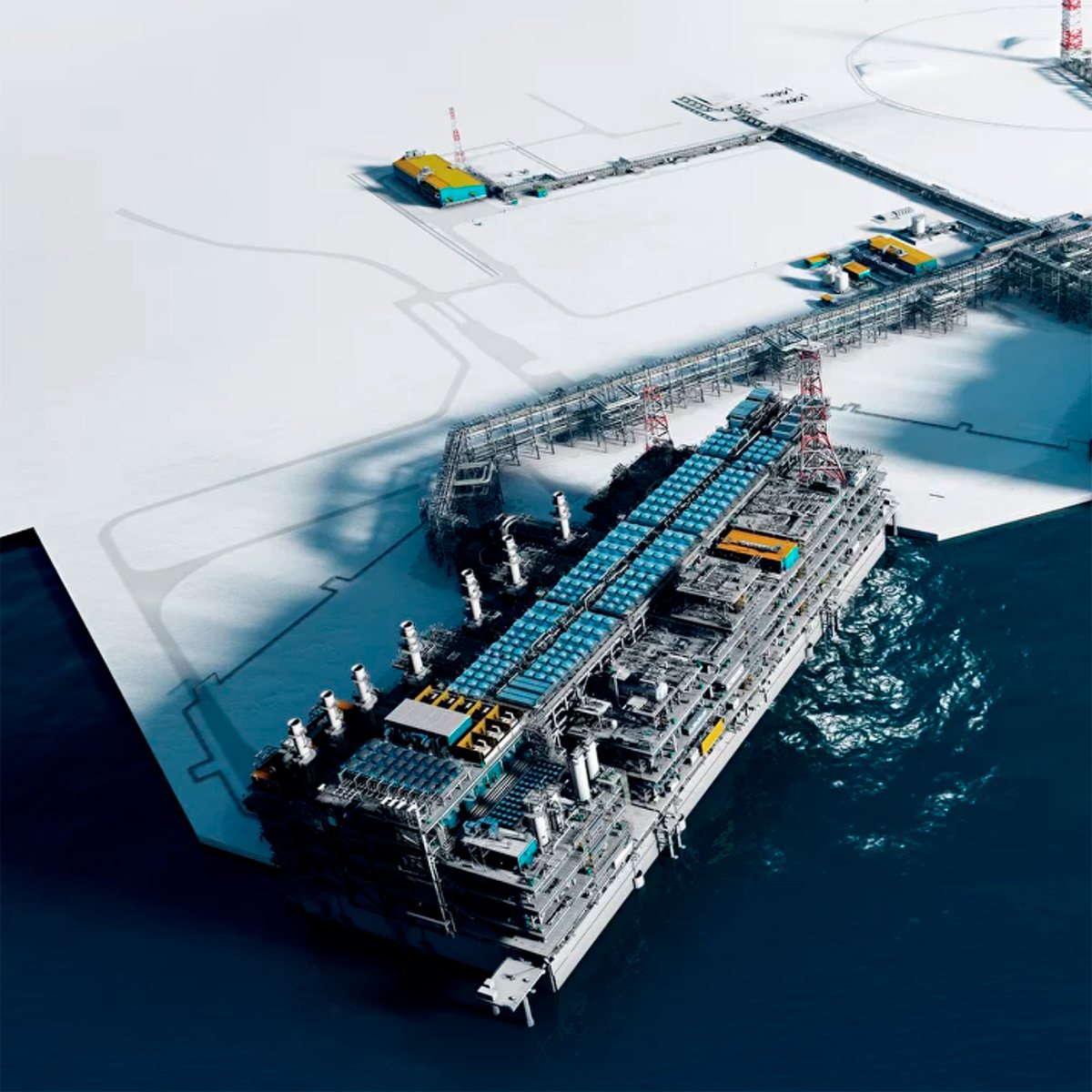
Captive power plants on gas turbines, feed gas and boil-off gas compressors, modular substations and GIS — together with service over the whole life in Arctic conditions. The team supplied, erected and now maintains eight SGT-800 gas turbines, four boil-off gas compressors and 29 modular substations at Yamal LNG; at Arctic LNG 2 the feed gas and boil-off gas compressors are being installed and commissioned under the supervision of the company’s specialists.
Industry task → our equipment and services
| Industry task | Equipment | Services |
|---|---|---|
| Captive power plant | Gas turbines 5–62 MW | Service for SGT gas turbines |
| Boil-off and feed gas | Centrifugal compressors API 617 | Compressor service and repair, dry gas seals |
| Power distribution across the site | Modular substations, GIS 145–550 kV | On-site GIS testing |
| Operation in the Arctic | Equipment rated from −60 °C | Resident engineers, emergency stock |
| Control and protection | Turbine and compressor control systems | Anti-surge control |
Power plant, compressors and substations of an LNG plant
An Arctic LNG plant is far from the power grid, so it generates its own electricity and distributes it across its site, while compressors raise the gas pressure at several stages of the process. Below is how the equipment handles these tasks and what our team has done on them.
Captive power plant. The fuel is the plant’s own gas, and the capacity is built up from several gas turbine units with a reserve, so that an overhaul or a trip of one unit does not stop production. According to published data, the 376 MW Yamal LNG power plant has no connection to the Unified Energy System of Russia, and almost half of its capacity is held in reserve for abnormal situations. The team supplied its eight SGT-800 gas turbines and maintains them — see service for SGT gas turbines. Gas turbine output depends on air temperature: the rating is given for ISO conditions (+15 °C); in cold weather the output is higher and in the warm season it is lower.
Feed gas and boil-off gas. Feed gas compressors raise the pressure of the incoming gas to the pressure at which the liquefaction unit operates. Boil-off gas, which evaporates in the tanks and while carriers are being loaded, is drawn off by compressors to hold the tank pressure and returned to the process or to the power plant’s fuel gas system. Both centrifugal and reciprocating machines are used here; the shafts of centrifugal compressors are usually sealed with dry gas seals. At Yamal LNG the team supplied four boil-off gas compressors; at Arctic LNG 2 the previously supplied feed gas and boil-off gas compressors are being installed and commissioned under the supervision of the company’s specialists.
Power distribution. From the power plant, electricity is distributed to the process trains, tanks, jetties and infrastructure facilities. Modular substations are delivered as blocks with a high degree of factory readiness: the equipment is fitted inside them at the works, so on a site with a short construction season all that remains is to join the blocks and connect them. For high-voltage switchyards GIS is often chosen: gas-insulated switchgear is compact and can be housed in a building that protects it from frost and snow. At Yamal LNG the team supplied and maintains 29 modular substations with transformers.
Control and protection. Surge in a centrifugal compressor during start-ups, shutdowns and changes of operating mode can damage the seals, bearings and impellers, which is why anti-surge protection is mandatory. We service control, vibration monitoring and overspeed systems of compressor trains, as well as anti-surge protection and capacity control systems.
Projects
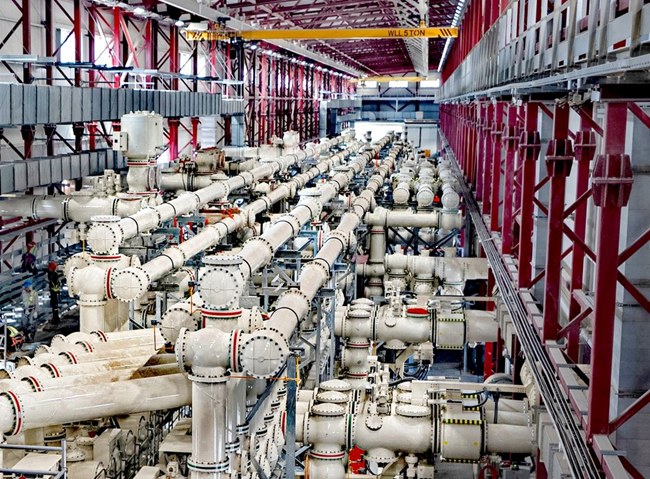
Akkuyu NPP: high-voltage testing of 400 kV GIS and SF6 bus ducts
400 kV GIS · 400 kV SF6 bus ducts
Arctic LNG 2: installation and commissioning of feed gas and boil-off gas compressors
feed gas compressors · boil-off gas compressors
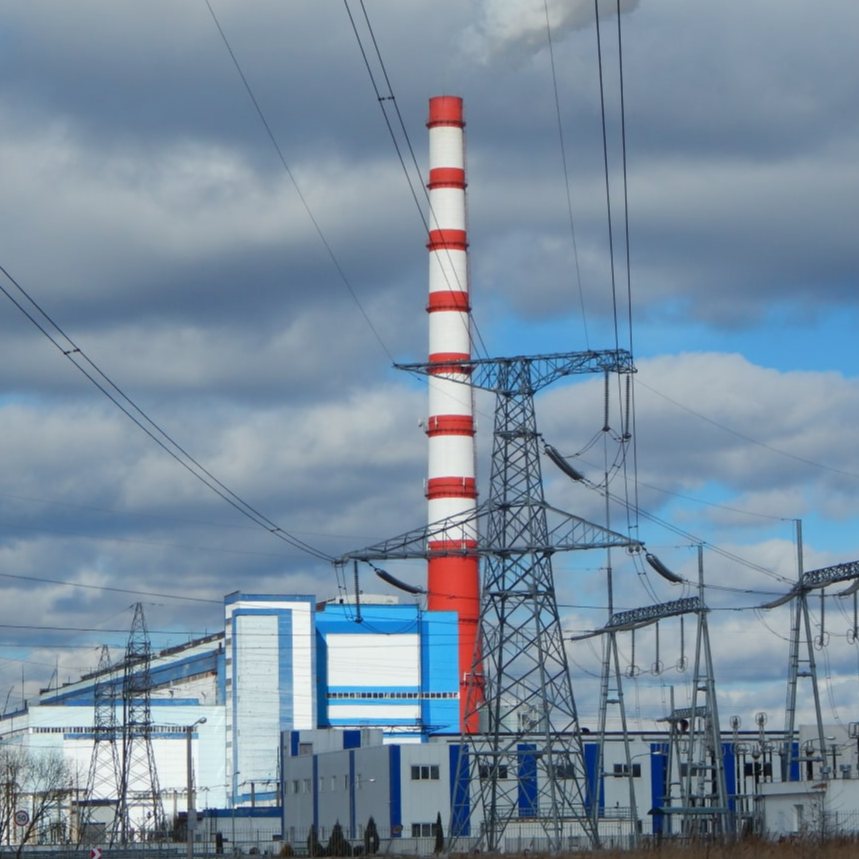
Belenergo: installation and commissioning supervision of 11 SGT-800 gas turbine units
11 × SGT-800 · full load in 15 minutes
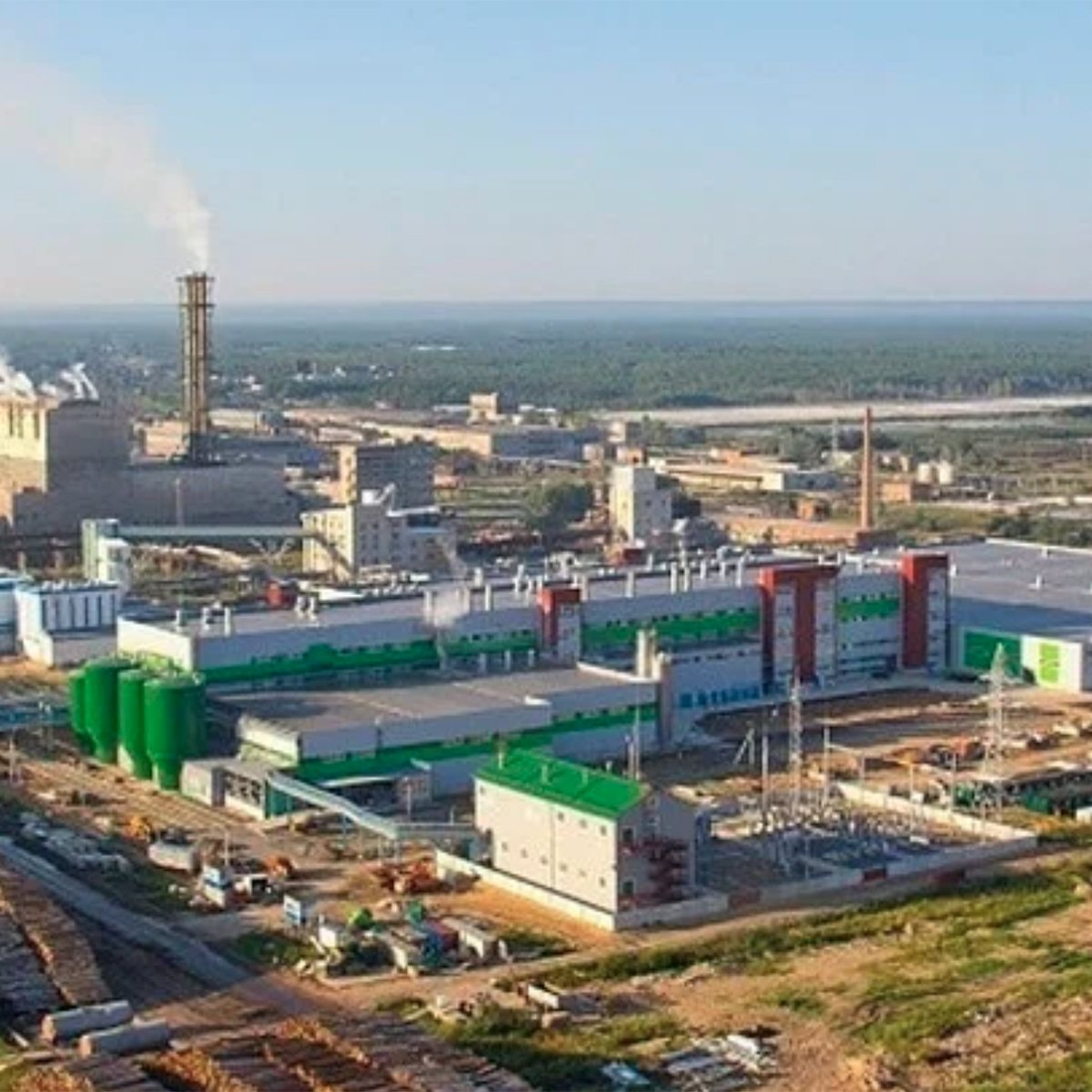
Ilim: board machine control system in Ust-Ilimsk
board machine of 600,000 tonnes a year · 2023

Knauf Petroboard: CHP steam boiler automation
steam boiler control system on SIMATIC PCS7
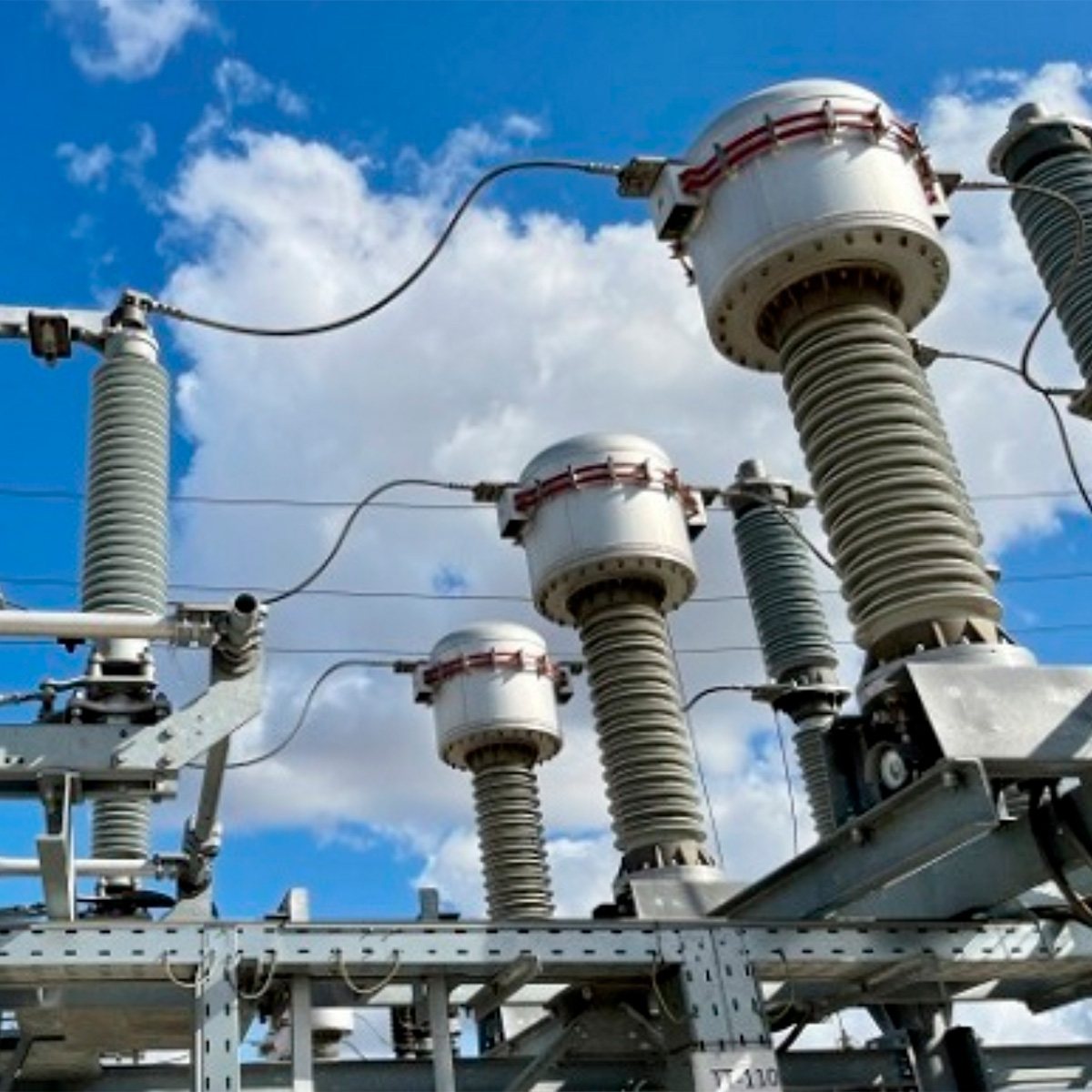
Rosseti: GIS for the 220 kV TsRP substation in Krasnoyarsk
1,920 sets of GIS equipment
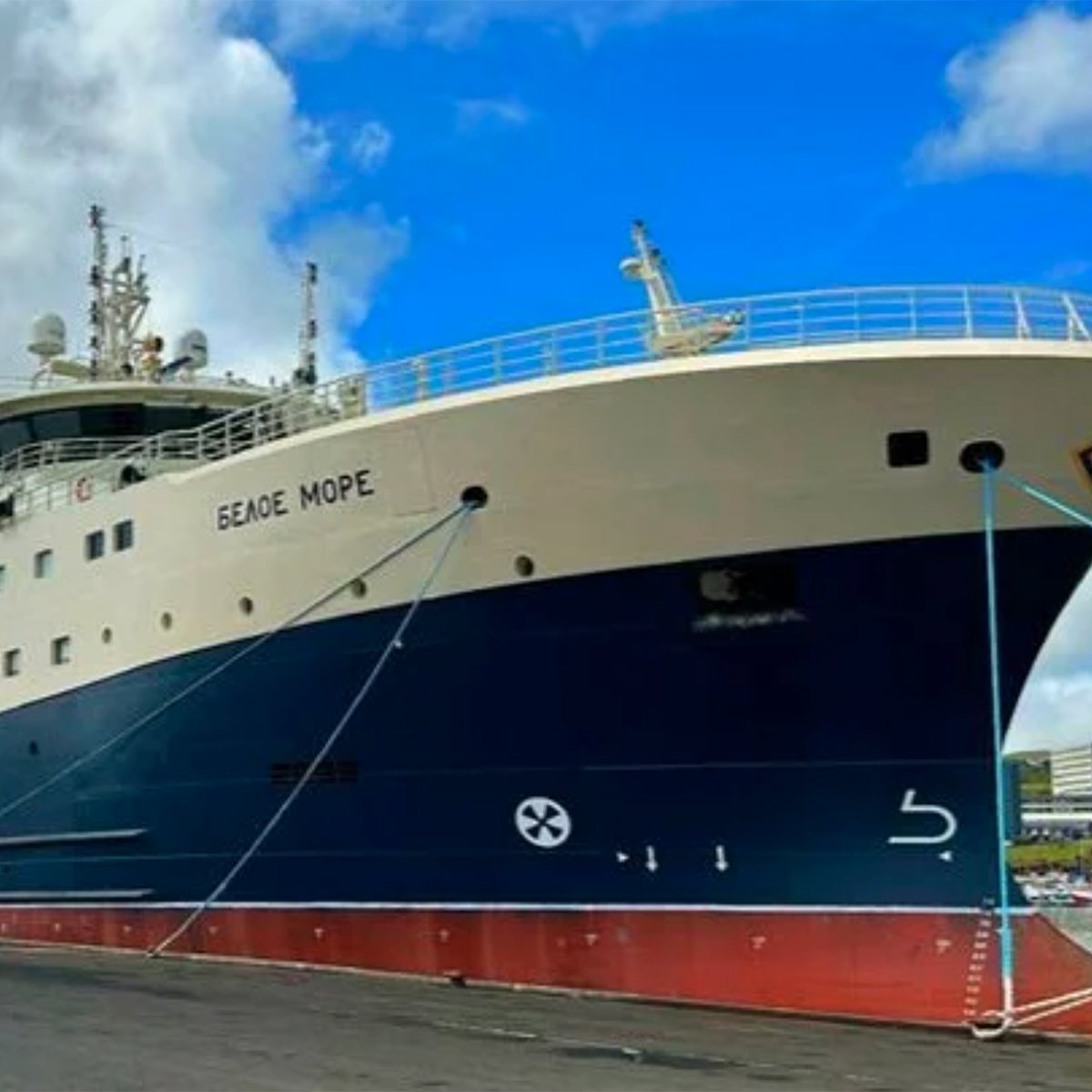
USC: electrical equipment for three fishing vessels
3 vessels · power distribution and monitoring system based on PMA300 · 2020–2023
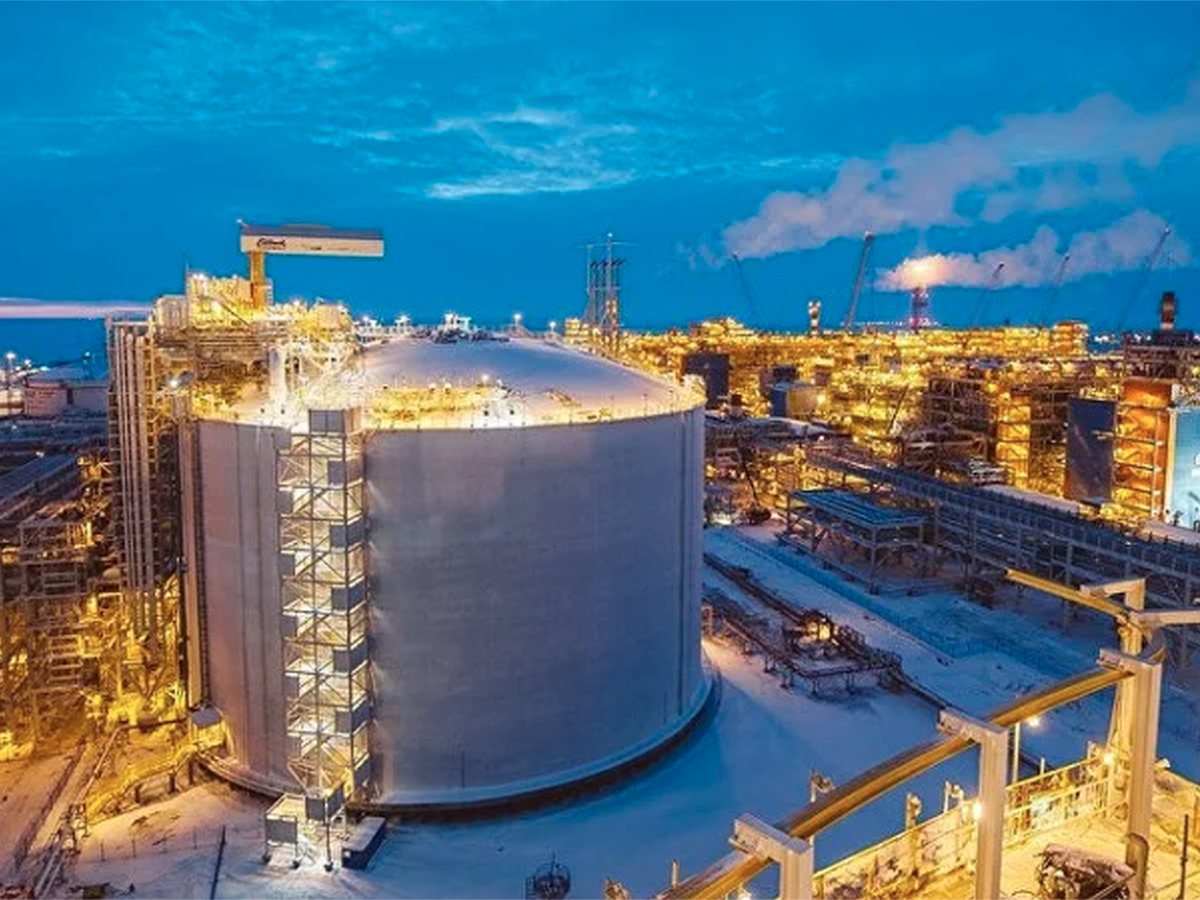
Yamal LNG: eight SGT-800 gas turbines, boil-off gas compressors and 29 modular substations
8 × SGT-800 · 4 boil-off gas compressors · 29 modular substations
What makes it different
- Climate
Working above the Arctic Circle
Equipment and materials rated for low temperatures; site engineers on site through the winter; logistics within the navigation window.
- Self-sufficiency
Captive generation and distribution
A captive power plant on gas turbines, modular substations and GIS on site, resident engineers and an emergency stock.
- Standards
API and the customer's requirements
Compressors to API 617, turbines to the manufacturer's documentation, GIS testing at the installation site and reporting at every stage.
The Far North: what it means for equipment and service
Cold and remoteness change both the choice of equipment and the way service is organised.
- Climatic version. Equipment for outdoor installation is chosen in the HL1 or UHL1 climatic version under GOST 15150-69 (cold, and moderate and cold climate): their lower operating air temperature is −60 °C, against −45 °C for the ordinary U1 version.
- Gas turbine air intake. At air temperatures below +5 °C and relative humidity above 70%, ice can build up on the filters, the inlet bellmouth and the compressor inlet guide vanes, and ice ingested by the turbine can cause a severe failure. The anti-icing system, which heats the incoming air, is checked in advance.
- Spare parts. Delivery of large components to an Arctic site depends on the season and ice conditions, so the stock of parts in the site store is planned in advance, from running hours and the results of inspections.
- People. Engineers work in rotations on a schedule agreed with the customer and complete the customer’s site admission procedures and safety briefings. Duties, the rotation schedule and lines of communication are set out in the service contract.
Standards for LNG plant equipment
Requirements for the machines and electrical equipment of an LNG plant are set through API and IEC standards, and for operation in the cold through the climatic version under GOST 15150-69, while the characteristics of LNG itself and of cryogenic materials are described in GOST R 57431-2017.
| Standard | What it covers | Where it applies |
|---|---|---|
| GOST R 57431-2017 (ISO 16903:2015, MOD) | characteristics of LNG and of the cryogenic materials used in the LNG industry | units handling liquefied and cold gas |
| API 617, 9th edition, 2022 | centrifugal and axial compressors, expander-compressors | feed gas and boil-off gas, refrigerants |
| API 692, 1st edition, 2018 | dry gas sealing systems for compressors | compressor shaft seals |
| API 614, 6th edition, 2022 | lubrication, oil-type shaft-sealing and oil-control systems | turbomachinery oil systems |
| API 670, 6th edition, 2025 | machinery protection systems: vibration, axial position, overspeed | protection of turbines and compressors |
| IEC 62271-203:2022 | GIS for rated voltages above 52 kV | power distribution, tests after installation |
| GOST 15150-69 | climatic versions and installation categories | equipment on an open site |
Questions and answers
What equipment does an LNG plant need?
A captive power plant on gas turbines, feed gas and <a class="term-link" href="../glossary/boil-off-gas/index.html" title="What is boil-off gas">boil-off gas compressors</a> and power distribution across the site — modular substations and GIS.
Do you work above the Arctic Circle?
Yes: our engineers continue to work rotations at Yamal <a class="term-link" href="../glossary/lng/index.html" title="What is LNG and what equipment an LNG plant needs">LNG</a> in Sabetta, and at Arctic LNG 2 on the Gydan peninsula the compressors are being installed and commissioned under the supervision of our specialists.
What is boil-off gas?
It is the part of the liquefied gas that evaporates in the tanks and pipelines; <a class="term-link" href="../glossary/boil-off-gas/index.html" title="What is boil-off gas">boil-off gas compressors</a> return it to the process.
How is service organised at a remote site?
<a class="term-link" href="../glossary/resident-engineer/index.html" title="Who is a resident engineer">Resident engineers</a> on site, an emergency stock of parts, advice in abnormal situations and scheduled inspections by running hours.
Why does an LNG plant need its own power plant?
Arctic plants are far from the grid: according to published data, Sabetta has no connection to the Unified Energy System of Russia, and the 376 MW Yamal LNG power plant keeps almost half of its capacity in reserve for abnormal situations. The fuel is the plant’s own gas, and the capacity is built up from several gas turbine units. At Yamal LNG these are eight SGT-800 turbines, which the team supplied, installed, commissioned and maintains.
What should be prepared to discuss service for LNG plant equipment?
The type and model of the machines, their number and running hours, the date and scope of the last inspection or overhaul, a description of the fault if there is one, and the required format of work: a single call-out, scheduled inspections or resident engineers on site. The operating manual and reports on previous work are also useful. The scope and timing are agreed with the customer after the data have been reviewed.