
Project · Power grids · Krasnoyarsk
Rosseti: GIS for the 220 kV TsRP substation in Krasnoyarsk
Project data
- Customer
- Rosseti — Siberia Trunk Grids
- Facility
- 220 kV TsRP substation
- Region
- Krasnoyarsk
- Industry
- power grids
- Types of work
- installation · commissioning
The task
Rosseti’s Siberia Trunk Grids branch completed the technical upgrade and reconstruction of the 220 kV TsRP substation in Krasnoyarsk, which supplies the Krasnoyarsk aluminium and metallurgical plants. The task was to install and commission the gas-insulated switchgear and connect it to the remote control system.
Why the reliability of the TsRP substation matters
The substation’s consumers include the Krasnoyarsk aluminium smelter, one of the largest aluminium smelters in the world. For this kind of production a loss of supply is particularly dangerous: the electrolytic cells operate continuously, and if power is interrupted for several hours, the melt in the cells solidifies and the cells themselves have to be repaired.
During the reconstruction, the equipment at TsRP was completely renewed and modern automation was introduced, improving the reliability and quality of power supply. Compared with air-insulated switchgear, GIS takes up 25–30 times less space and is unaffected by weather and pollution, which is why it is often chosen when substations in cities and on industrial sites are reconstructed.
What we did
- Installation
1,920 sets of GIS equipment
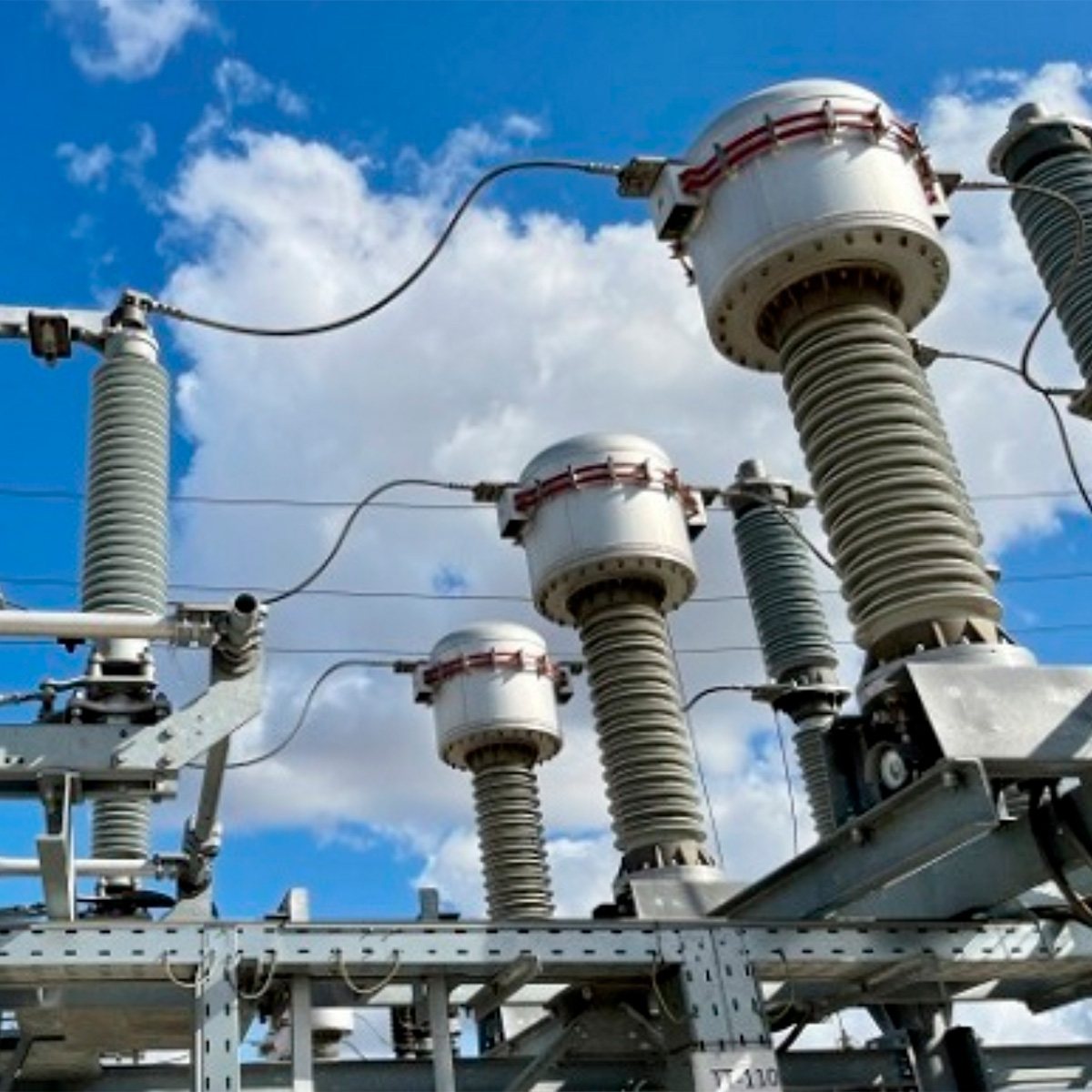
The company’s specialists took part in the installation of circuit breakers, disconnectors, surge arresters, current and voltage transformers.
- Commissioning
Checks and tests
Commissioning of the 220 kV GIS equipment before energisation.
- Connection
Remote monitoring and control
The equipment is connected to the automated remote monitoring and control system.
What the 1,920 sets of GIS equipment include
1,920 is the total number of sets of the five types of apparatus that make up the substation’s GIS. The live parts are housed in earthed enclosures filled with SF6 gas and divided into gas compartments with gas density monitoring.
| Apparatus | Function |
|---|---|
| Circuit breakers | switch feeders on and off, including under short-circuit conditions |
| Disconnectors | provide an isolating distance so that a section can be safely taken out for repair |
| Surge arresters | limit lightning and switching overvoltages, protecting the insulation |
| Current transformers | supply current values to the protection, measurement and metering circuits |
| Voltage transformers | supply voltage values to the same circuits |
How GIS is installed and commissioned
GIS arrives on site as modules assembled and tested at the factory. At the substation the modules are joined according to the manufacturer’s drawings, and the compartments are filled with SF6 to their rated density. Then, under the Russian standard GOST R 54828-2022, the operation of the apparatus, gas tightness, gas moisture content and main-circuit resistance are checked; the main-circuit insulation is normally tested last, with an on-site high-voltage test. A separate part of commissioning is checking the link to the control system: signals on the position of the apparatus and on SF6 density must reach the automated system, and remote control commands must be executed.
The result
The technical upgrade and reconstruction of the substation are complete; the 220 kV GIS operates under remote monitoring and control, supplying the Krasnoyarsk aluminium and metallurgical plants.
GIS service after commissioning
In operation, GIS requires monitoring of SF6 density, the condition of the operating mechanisms and contact wear. The company services such equipment under a service contract for 110–750 kV high-voltage equipment: maintenance without pumping out the SF6 on request or after 12 years, complex repair at the works on request or after 25 years, and an emergency stock for the term of the contract. Testing is done by the company’s test laboratory, which has, for example, tested 400 kV GIS and SF6 bus ducts at Akkuyu NPP. Other tasks of grid companies are covered on the Power grids page.
Equipment and services in this project
Similar projects
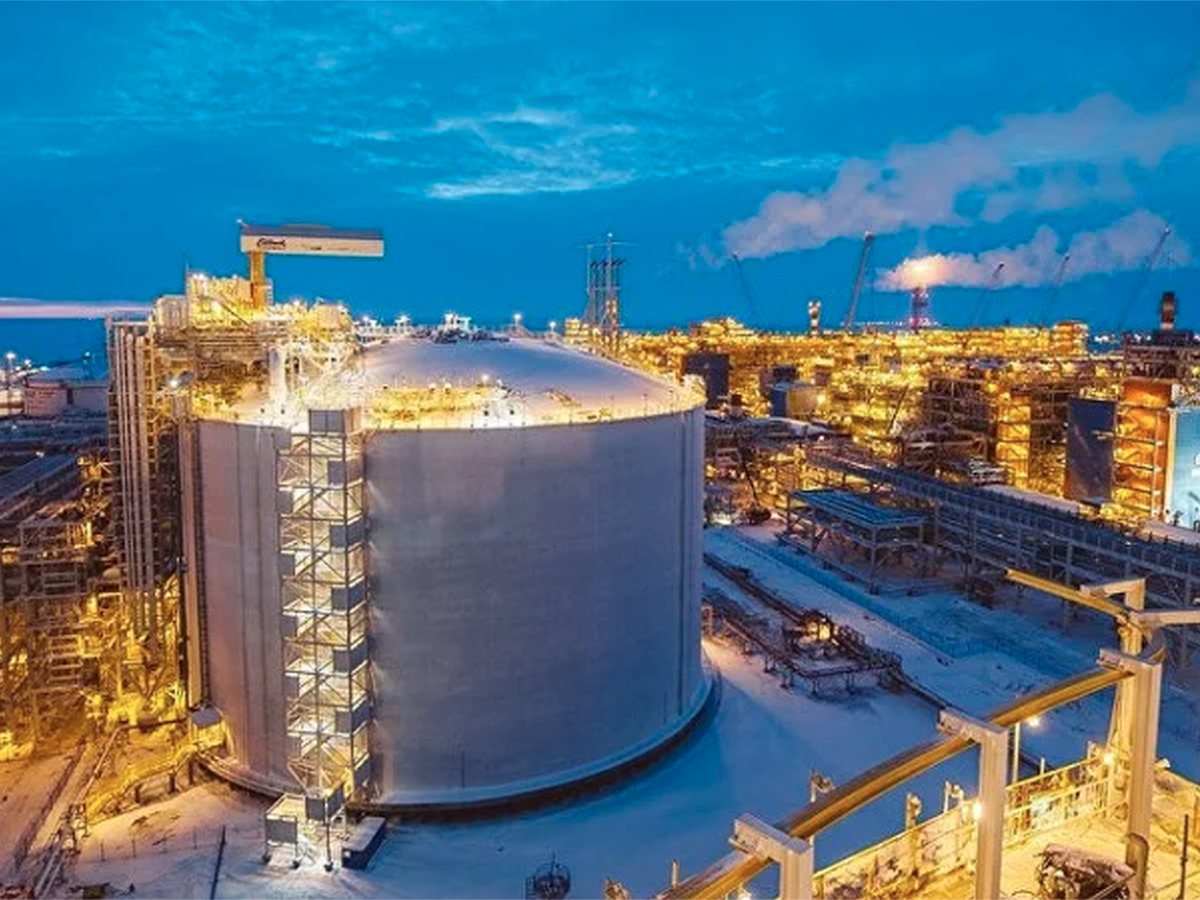
Yamal LNG: 8 SGT-800 units and compressors
8 × SGT-800 · 4 boil-off gas compressors · 29 modular substations
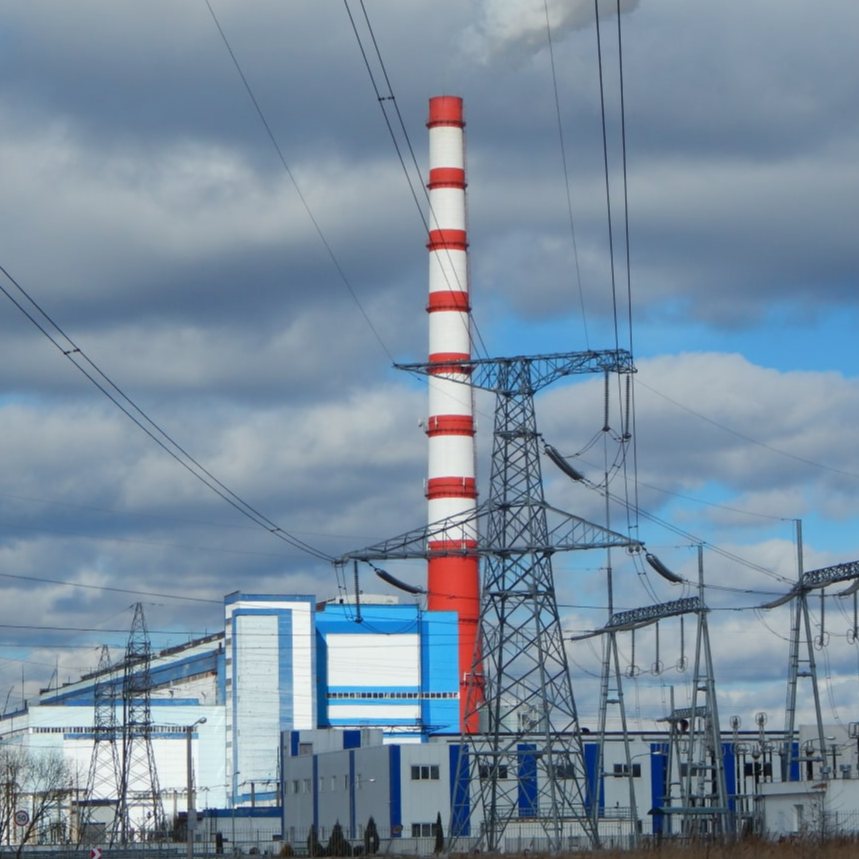
Belenergo: 11 SGT-800 gas turbine units
11 × SGT-800 · full load in 15 minutes

USC: electrical equipment for 3 fishing vessels
power distribution and monitoring system based on PMA300 · 2020–2023