
Project · LNG · Yamalo-Nenets Autonomous Area
Yamal LNG: eight SGT-800 gas turbines, boil-off gas compressors and 29 modular substations
Project data
- Customer
- Novatek
- Facility
- Yamal LNG plant
- Region
- Sabetta, Yamalo-Nenets Autonomous Area
- Industry
- LNG
- Types of work
- supply · installation · commissioning · maintenance
The task
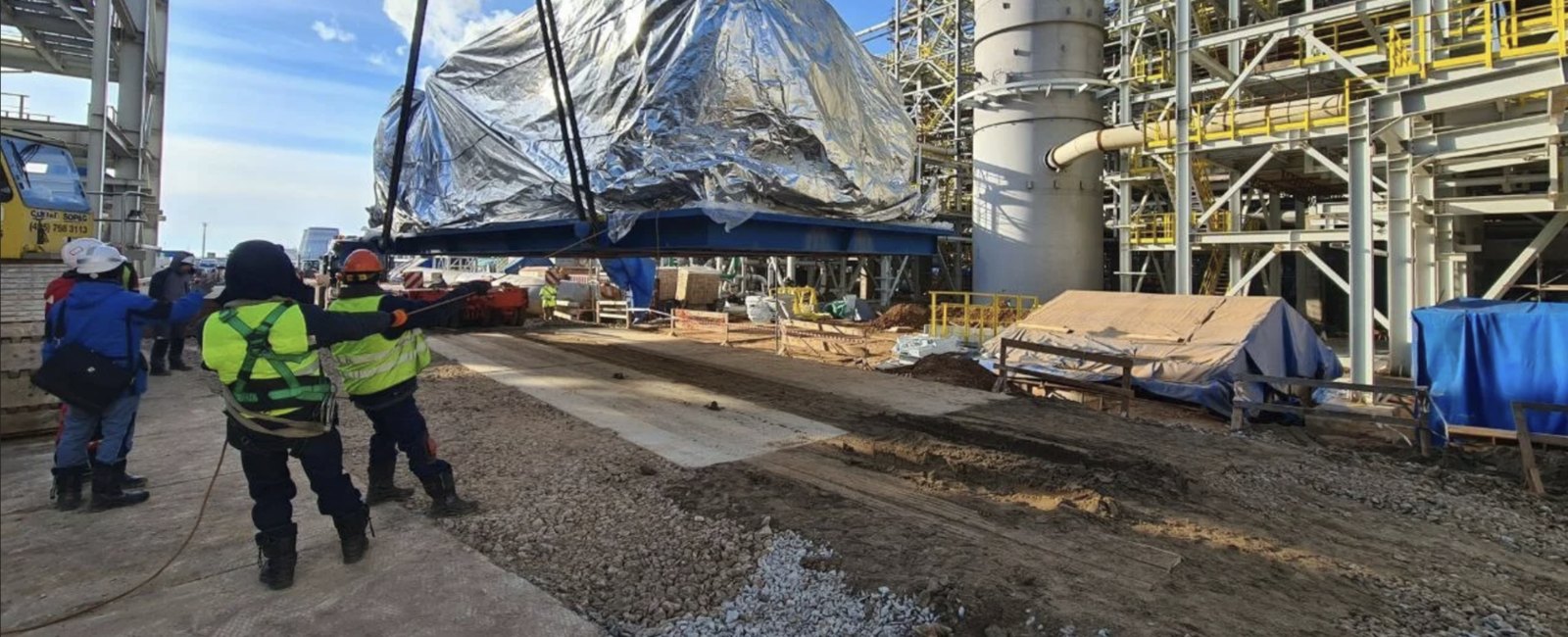
To provide a liquefied natural gas plant with captive power generation and compressor equipment for the process train, and with power distribution across the site — in Far North conditions, above the Arctic Circle, at temperatures down to −50 °C and with a short navigation window for delivering the equipment.
About the facility: the Yamal LNG plant in Sabetta
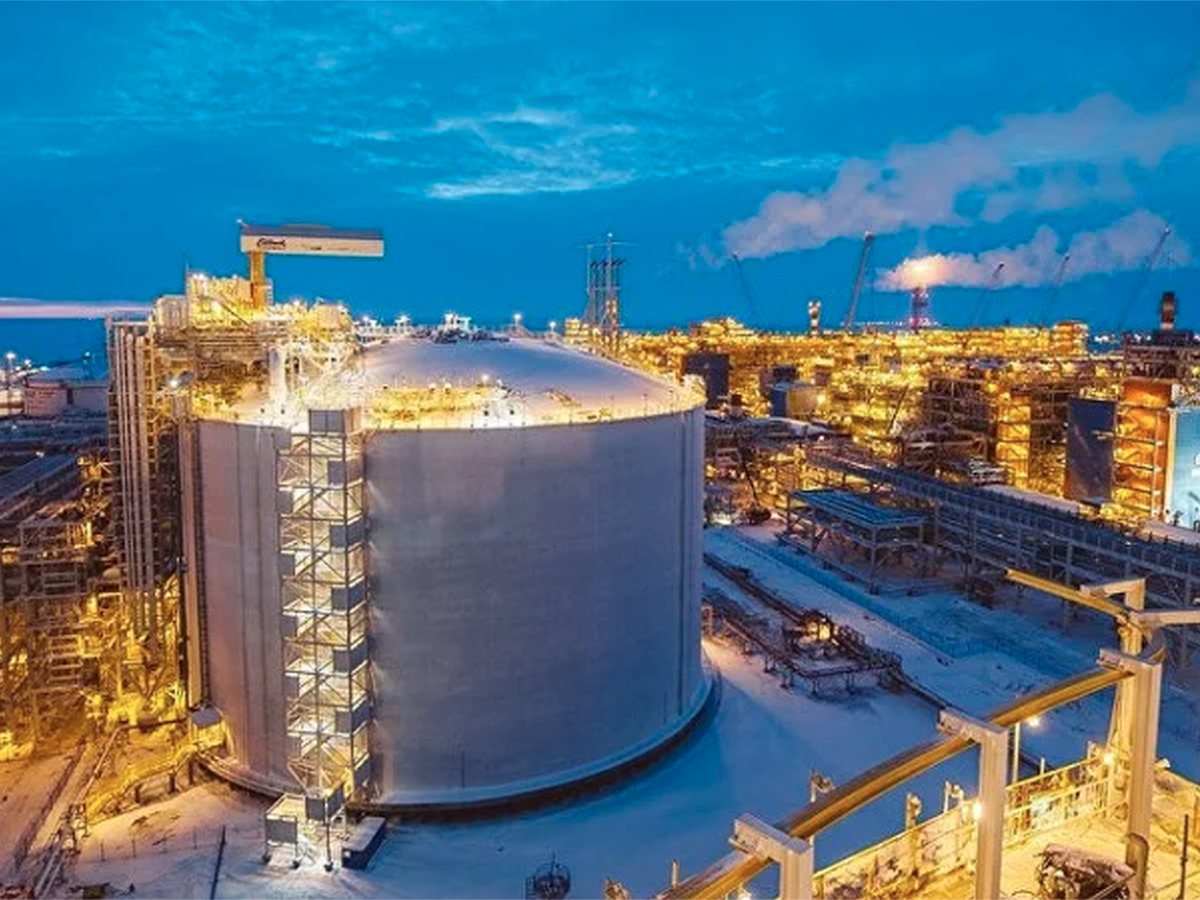
Yamal LNG is a large-scale Arctic LNG project of Novatek: a plant at Sabetta, in the north-east of the Yamal Peninsula, that liquefies gas from the South Tambey field. The design capacity is 17.4 million tonnes of LNG per year: three process trains of 5.5 million tonnes each and a fourth train of 0.9 million tonnes; the first train started producing LNG on 5 December 2017. The LNG is stored in four tanks of 160,000 m³ each, and a fleet of Arc7 ice-class LNG carriers was built to ship it.
Sabetta is not connected to Russia’s Unified Energy System, so the plant is powered by its own 376 MW gas turbine power station — according to public sources, eight SGT-800 units of 47 MW each. These are the eight turbines of our project.
What we did
- Supply · installation · commissioning
8 SGT-800 gas turbines
Gas turbine units for the plant’s captive power station.
- Supply · installation · commissioning
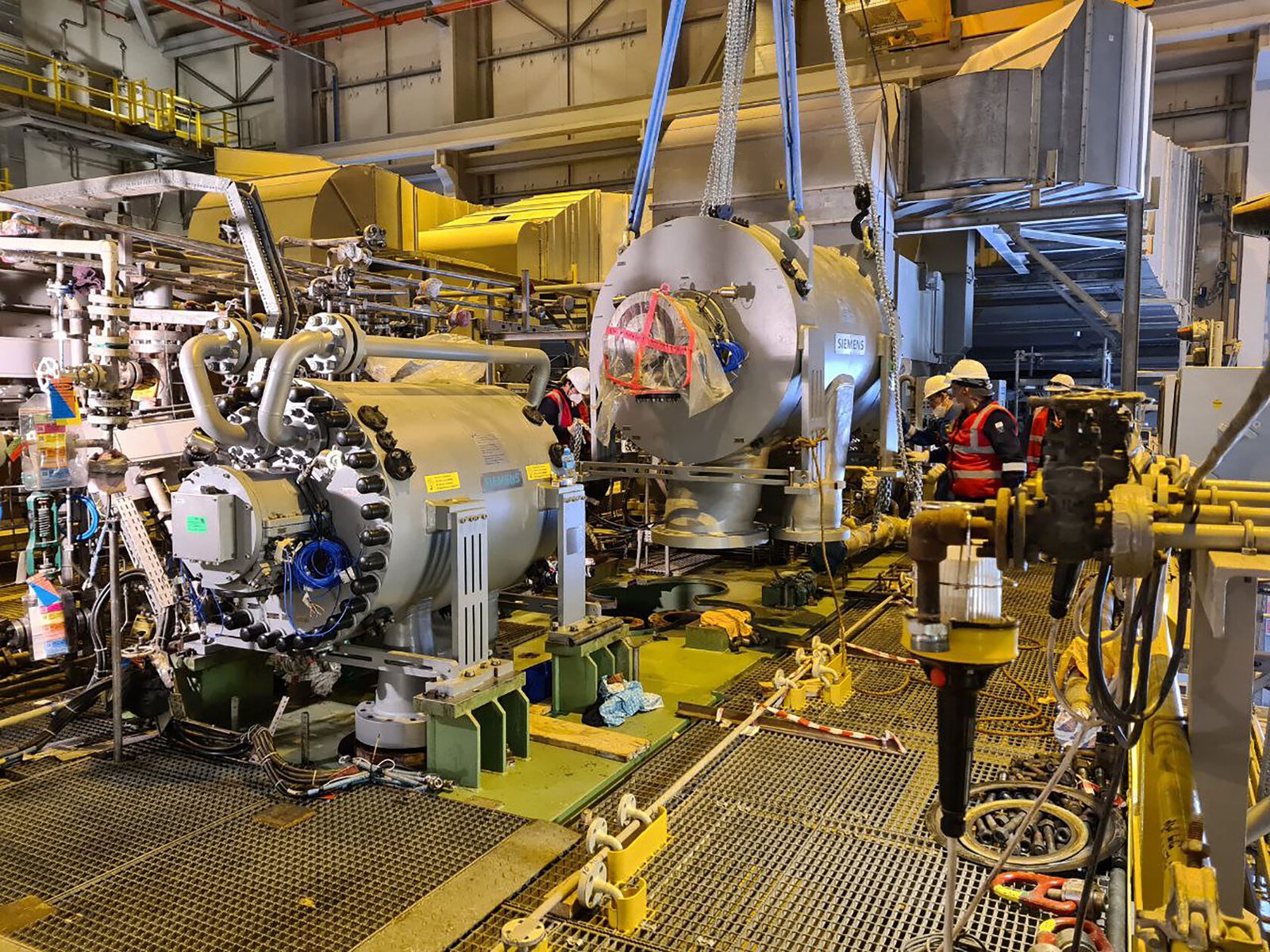
4 boil-off gas compressors
Compressor trains that remove and compress boil-off gas.
- Supply · installation · commissioning
29 modular substations
Power distribution across the plant site and the infrastructure facilities.
- Maintenance
Service on site
Our engineers support the operation of the turbines and compressors: inspections, maintenance and advice.
Project equipment and what it does
The project’s three equipment groups work as one chain: the turbines generate electricity, the substations distribute it, and the compressors remove the gas that evaporates from the LNG. At LNG plants, compressed boil-off gas is usually returned to the liquefaction process or sent to the fuel gas system, including that of the power station’s gas turbines.
| Equipment | Quantity | What matters in operation |
|---|---|---|
| SGT-800 gas turbines | 8 | in an isolated grid, planned maintenance shutdowns are usually staggered so that the units still running can carry the plant’s load |
| Boil-off gas compressors | 4 | gas evaporates in the tanks and during carrier loading; without its removal, tank pressure would rise until the relief valves lifted |
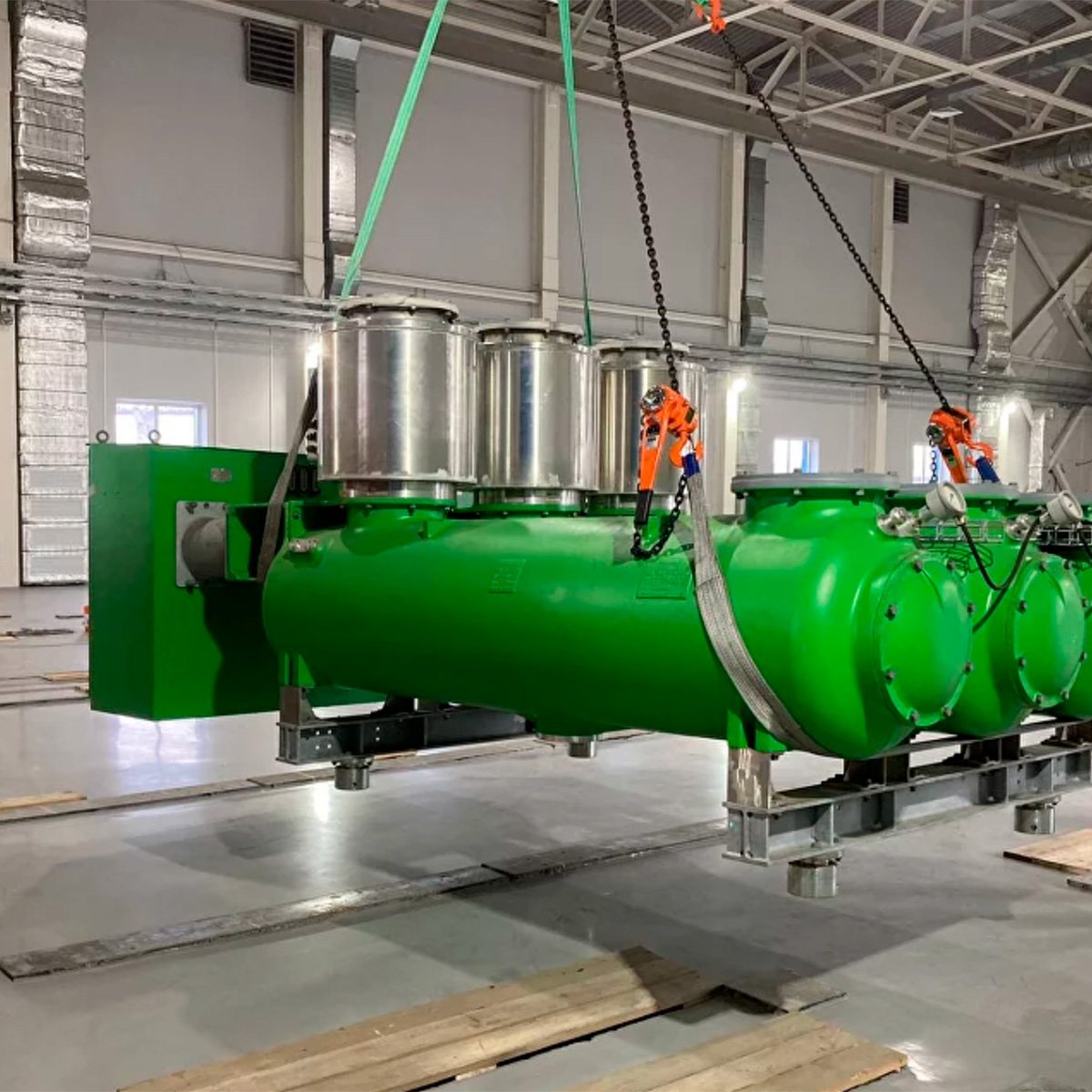
| Modular substations with transformers | 29 | factory-built modules: the equipment is assembled and tested at the manufacturer’s works, and on site the modules are set in place, connected and commissioned — this reduces the work to be done in Arctic conditions |
For all three groups, the team was responsible for supply, installation, commissioning and maintenance. The company has also worked with this turbine model in Belarus, supervising the installation and commissioning of 11 SGT-800 units (the Belenergo project). Service for such machines is described on the SGT gas turbine service and compressor service pages.
The result
The equipment has been handed over into operation and runs as part of the plant. Our engineers continue to work shifts above the Arctic Circle, maintaining the gas turbines and the compressors.
Service above the Arctic Circle
Our engineers’ rotations at the plant follow the resident engineer format: the specialist is permanently based at the customer’s site rather than travelling out on call. A resident engineer monitors the condition and running hours of the machines, takes part in start-ups and shutdowns, plans inspections and is the first to respond to deviations.
At Arctic sites, spare parts are planned in advance: large components arrive by sea, so the stock for turbines and compressors is usually set by running hours and inspection findings, without waiting for a failure.
Gallery
Equipment and services in this project
Similar projects
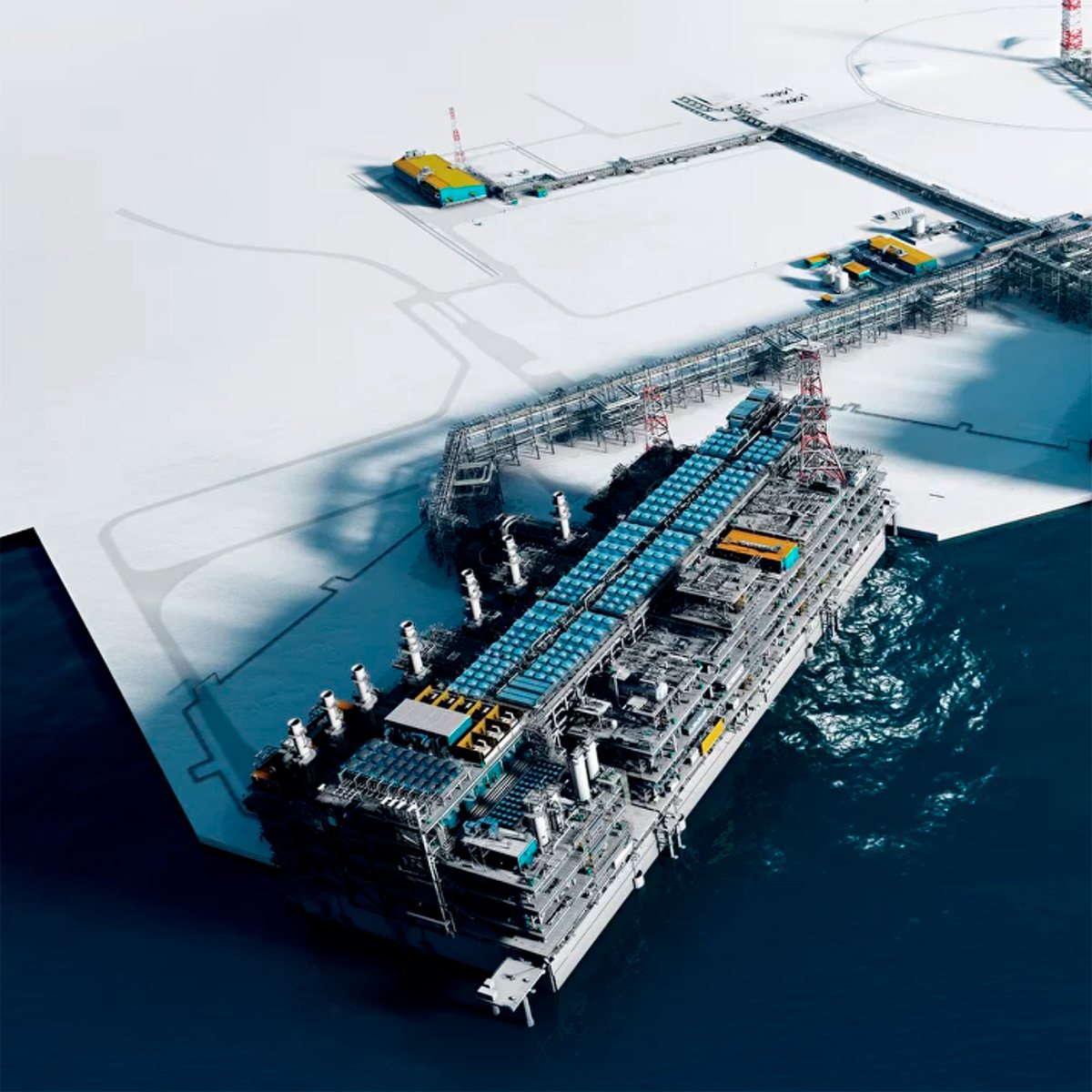
Arctic LNG 2: compressor installation and commissioning
feed gas compressors · boil-off gas compressors
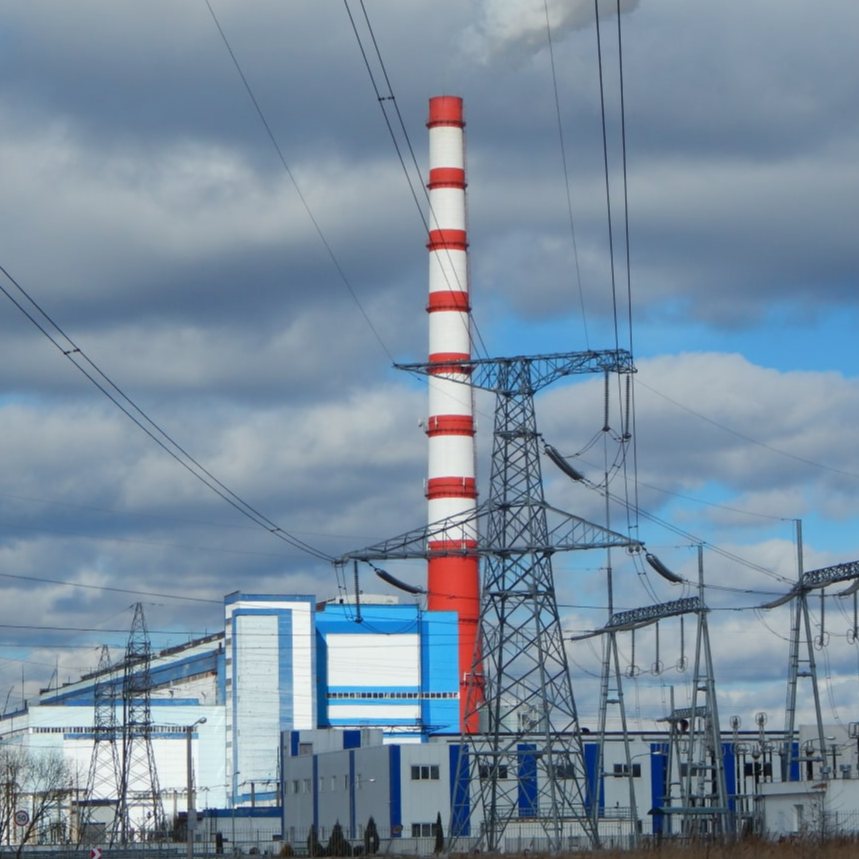
Belenergo: 11 SGT-800 gas turbine units
11 × SGT-800 · full load in 15 minutes
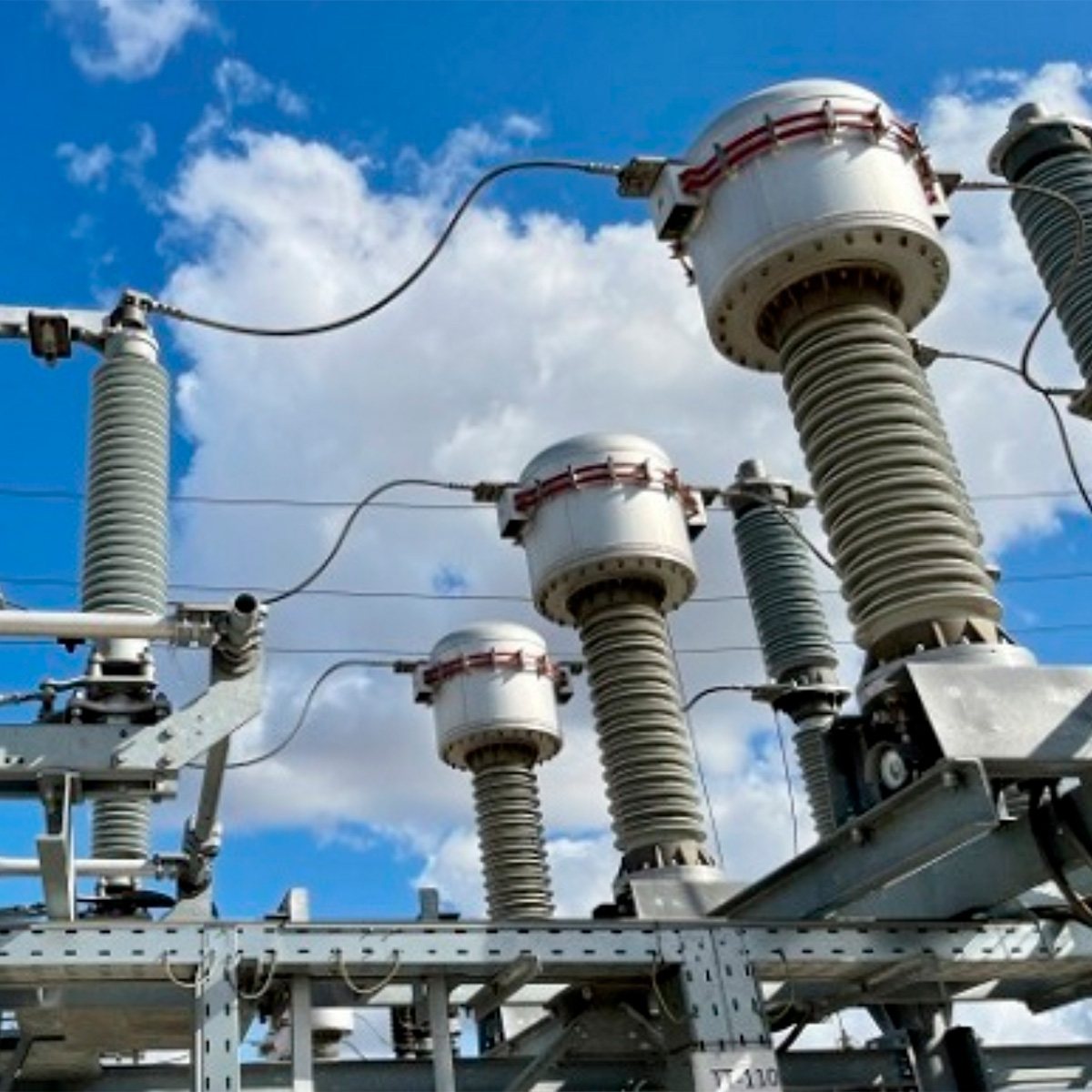
Rosseti: GIS for the 220 kV TsRP substation
1,920 sets of GIS equipment